
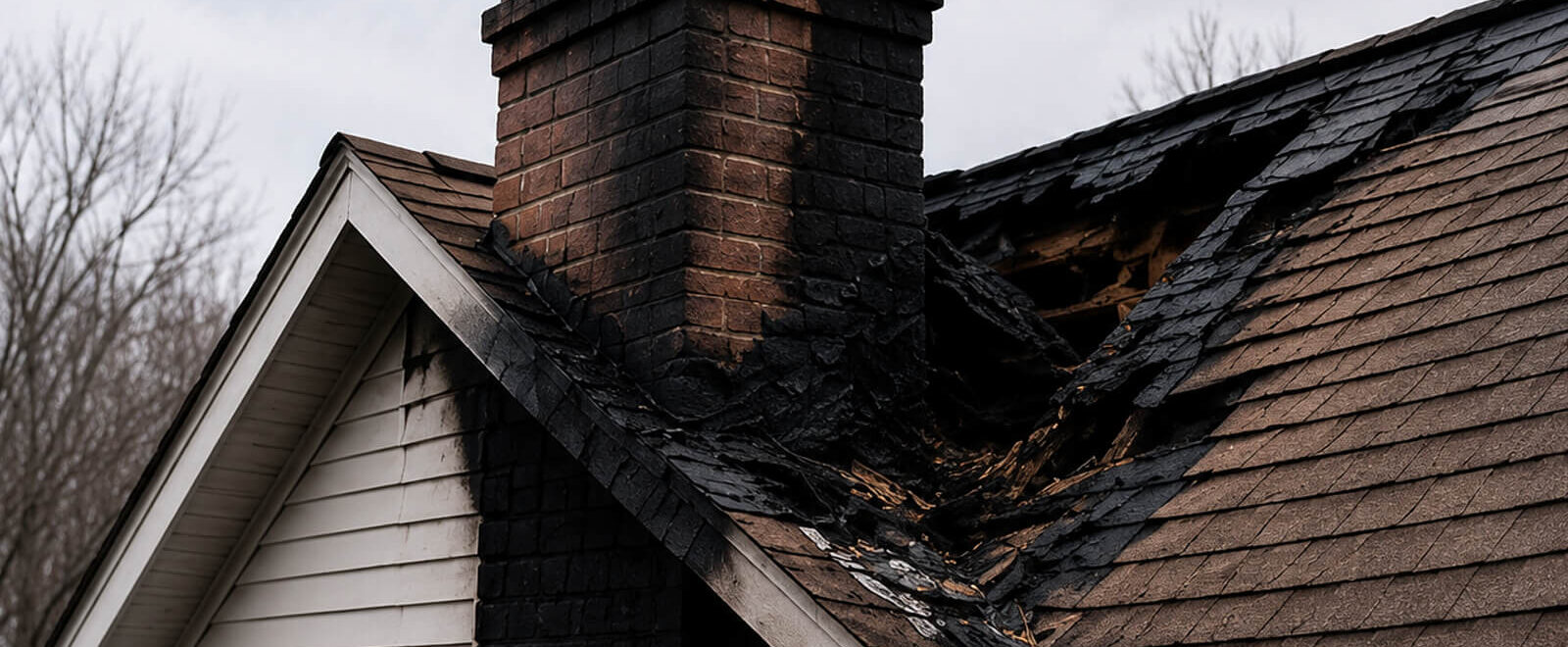
A chimney fire is one of those events that completely rattles homeowners. It is loud, violent, and unsettling in a way few other home incidents are. Even when the flames seem brief or contained, the aftermath is rarely simple. Many homeowners are left wondering whether the danger is truly over, what damage may be lurking out of sight, and whether their insurance will cover the repairs they’re being told are “necessary.”
That uncertainty is where chimney fire damage claims often start to unravel. Chimney fires burn at extreme temperatures, frequently damaging internal components that aren’t visible from the living room or even the rooftop. Insurance companies, however, tend to focus on what they can see quickly, such as cracked bricks, surface soot, or a damaged cap, while overlooking or disputing deeper structural risks.
This guide explains how insurers evaluate chimney fire damage, what homeowners insurance typically covers, why claims are often underpaid or denied, and how homeowners in Louisiana and Texas can protect themselves when insurers push back. If you’re dealing with chimney fire damage, understanding these basics can help you avoid a partial patch and pursue a truly safe, code-compliant repair.
What Is a Chimney Fire? Causes, Warning Signs, and Types of Damage
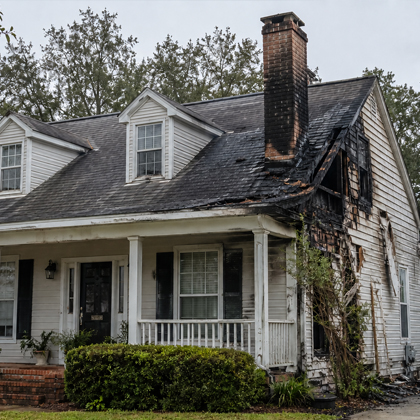
A chimney fire occurs when combustible materials inside the chimney ignite, most commonly creosote buildup. These fires can burn at temperatures exceeding 2,000°F, far hotter than a typical house fire. At those temperatures, even materials designed to withstand heat (clay flue tiles or metal liners) can crack, warp, or separate.
What makes chimney fire damage especially tricky for insurance claims is that much of the harm occurs inside the chimney system or surrounding structural cavities. Flames may never enter the living space, yet the home can still be left unsafe for future use.
Common hidden risks include:
- Extreme Internal Heat Damage: Chimney fires burn hot enough to crack flue liners, warp metal components, and deteriorate mortar, reducing the chimney’s ability to safely contain heat and exhaust gases.
- Hidden Fire and Carbon Monoxide Pathways: Cracks or separations in the liner allow heat, sparks, and carbon monoxide to escape into attic spaces, wall cavities, or roof framing during later use.
- Invisible Structural Weakening: Prolonged heat can weaken surrounding framing or masonry without obvious exterior signs, reducing structural integrity over time.
- Failure of Chimney Safety Systems: Once a chimney’s integrity is breached and the ventilation system is compromised, continued fireplace use becomes unsafe even if the living space looks untouched.
Insurers often underestimate this risk, treating chimney fires as minor events rather than high-heat structural losses.
Common Causes of Chimney Fires
Chimney fires rarely occur without warning. In most cases, they result from a combination of use patterns and structural conditions. Insurers often focus on these factors when evaluating a chimney fire insurance claim, particularly when attempting to argue maintenance-related exclusions.
Common causes leading to chimney fires include:
- Creosote Buildup: As wood burns, vapors condense inside the chimney and harden into creosote, a highly flammable residue that ignites easily at high temperatures.
- Blockages: Bird nests, leaves, or debris can restrict airflow, trapping heat and increasing the risk of creosote ignition.
- Defective or Damaged Liners: Cracked clay tiles or warped metal liners allow heat to escape into the surrounding framing instead of venting safely upward.
- Poor Ventilation: Improper draft causes smoke and heat to linger inside the flue, raising internal chimney temperatures.
- Lack of Regular Inspection or Cleaning: Without regular inspections, small defects often go unnoticed until a fire exposes more serious damage.
- Improper Burning Materials: Burning unseasoned (“green”) wood, trash, cardboard, or treated lumber increases creosote production and burn temperatures, which insurers may cite as user-caused risk.
- Chimney Cap Failure or Absence: Missing, damaged, or improperly installed caps allow moisture, animals, and debris into the flue, accelerating creosote buildup and masonry deterioration.
- Masonry Deterioration and Mortar Gaps: Aging brickwork or eroded mortar joints can allow heat transfer beyond the chimney structure, especially during high-temperature events.
- Improper Chimney Design or Installation: Undersized flues or unsafe appliance connections can trap heat and fail to vent combustion gases safely.
- High-Efficiency Appliances Connected to Older Chimneys: Modern appliances vent cooler exhaust into chimneys designed for hotter fires, promoting faster creosote accumulation.
- Unrepaired Prior Fire or Heat Damage: Even small, undocumented chimney fires can weaken liners and masonry, allowing insurers to argue that the loss was not sudden or accidental.
Signs You’ve Had a Chimney Fire (Even If It Seemed Minor)
Many chimney fires don’t involve dramatic flames shooting from the roof. Some burn quickly and quietly, leaving subtle warning signs that are easy to overlook.
Common warning signs include:
- Unusual Noises during Use: Loud cracking, popping, or rumbling sounds can indicate rapid creosote ignition inside the chimney.
- Smoke or Flames from the Chimney Top: Thick smoke or visible flames emerging from the chimney suggest internal combustion.
- Damaged Flue Tiles: Cracked, shifted, or missing tiles often signal heat-related liner damage.
- Exterior Discoloration: White staining or discoloration on the chimney exterior may indicate heat or moisture-related damage.
- Abnormal Creosote Appearance: Puffy, flaky, or honeycomb-textured creosote in the firebox is a common sign of a prior chimney fire.
Even brief chimney fires can cause serious internal damage that requires professional evaluation and careful documentation for insurance purposes.
Types of Damages Caused by Chimney Fire
Chimney fire damage often extends far beyond surface masonry and visible soot. Common damage categories include:
- Flue Liner Damage: Extreme heat can crack clay tiles or buckle metal liners, creating pathways for flames and carbon monoxide to enter the home.
- Masonry and Mortar Deterioration: High temperatures can fracture bricks and weaken mortar joints, leading to long-term structural instability.
- Creosote Damage After the Fire: Puffy or expanded creosote deposits indicate high-heat ignition and help support a chimney fire damage claim.
- Chimney Cap, Exterior, and Roof Damage: Caps may warp or melt, while flashing and nearby roofing materials can be compromised by heat.
- Structural and Fire Spread Risks: Gaps created by heat damage can allow flames or hot gases into attic framing or wall cavities, increasing overall repair scope.
- Smoke and Soot Infiltration: Even when flames stay contained, smoke particles can migrate through ductwork, wall cavities, and insulation, contaminating living spaces and HVAC systems.
- Attic Insulation and Framing Damage: Superheated gases rising through the chimney can scorch nearby attic wood, insulation, and roof decking without visible interior burn marks.
- Firebox and Damper Assembly Damage: Cast iron dampers can warp or seize, and refractory panels in the firebox may crack, affecting safe operation and requiring specialized repair or replacement.
- Carbon Monoxide Leakage Pathways: Heat-damaged liners and masonry gaps may allow combustion gases to leak into the home, triggering safety code violations.
- Moisture-Related Secondary Damage: Water used during fire suppression can saturate surrounding materials, leading to mold risk or hidden deterioration that insurers often classify separately.
- Code Compliance and Rebuild Upgrades: Post-fire inspections frequently reveal that damaged chimneys no longer meet current building or fire codes, increasing repair scope beyond simple restoration.
Does Homeowners Insurance Cover Chimney Fire Damage?
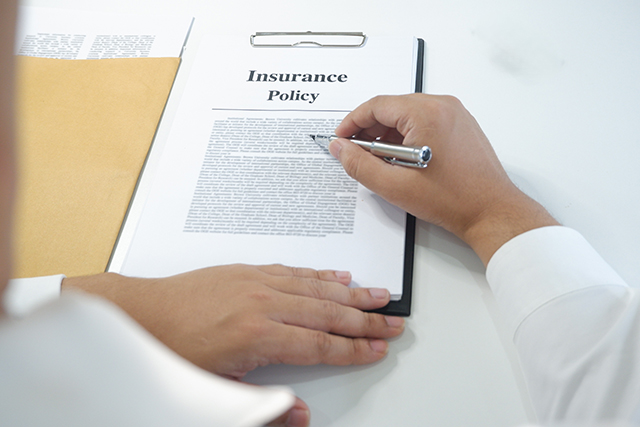
In most cases, yes. Chimney fires are generally considered a covered peril under standard homeowners insurance policies. Coverage, however, is rarely as straightforward as homeowners expect. Insurers evaluate chimney fire damage based on the cause of the fire, the condition of the chimney before the event, and how thoroughly the damage is documented.
What’s Typically Covered for Chimney Fire Damage
When properly supported, a chimney fire insurance claim may include coverage for:
- Structural repairs to the chimney itself, as well as affected walls, ceilings, or roof areas
- Smoke and fire damage to adjacent living areas
- Cleanup, debris removal, soot remediation, and related restoration services may also be covered.
If the chimney fire renders the home unsafe to occupy, additional living expenses may also be covered while repairs are underway.
When Chimney Fire Damage Is Not Covered
Insurers often deny or limit chimney fire damage claims by alleging:
- Negligence or lack of maintenance, such as skipped inspections or cleanings
- Burning improper materials, including trash, treated wood, or other prohibited materials
- Wear and tear, rather than sudden fire-related damage
For example, an insurer may acknowledge that a chimney fire occurred but refuse to pay for liner replacement, arguing that the liner was already deteriorated. This is where detailed inspections, expert opinions, and supporting documentation become critical.
What to Do After a Chimney Fire: How to File a Fire Damage Claim
Filing a chimney fire damage claim requires more than a quick call to your insurer. Each step helps preserve coverage and protect the scope of the claim.
- Contact your insurer as soon as possible to report the loss.
- Document everything before cleanup or temporary repairs, including photos and videos of visible damage.
- Create an inventory of damaged personal property if smoke or soot damage extends beyond the fireplace.
- File your claim with clear and detailed descriptions of observed and suspected damage.
- Obtain repair and replacement estimates from qualified chimney or fire damage professionals.
- Determine whether ALE applies if the home is unsafe to occupy.
- Negotiate and follow through, especially if the insurer disputes the scope, repair estimates, or valuation.
- Consult a fire damage claim lawyer and seek legal guidance if coverage is questioned, delayed, or reduced.
Why Chimney Fire Claims Get Underpaid or Denied
Chimney fire claims are often underpaid because insurers focus on cosmetic fixes rather than safety-driven repairs. Common issues include:
- Ignoring internal flue or structural damage
- Blaming the lack of maintenance or upkeep without clear evidence
- Approving partial repairs instead of full liner replacement
- Failing to account for code upgrades required in Louisiana or Texas
These claim positions can leave homeowners with a chimney that looks repaired but remains unsafe to use.
How to Protect Your Chimney Fire Insurance Claim and Your Home Going Forward
Regular chimney inspections and cleanings do more than reduce fire risk. They create documentation that strengthens future claims. Keeping invoices, inspection reports, and maintenance records makes it harder for insurers to argue neglect.
Using seasoned wood, avoiding prohibited materials, and installing properly fitted chimney caps also help reduce creosote buildup and moisture intrusion. These steps protect your home while demonstrating responsible ownership, which can make future chimney fire damage claims harder for insurers to deny.
How Lawyers Help with Chimney Fire Insurance Claims
Because much of the damage in a chimney fire is hidden and technical, Insurers may rely on their inspections and policy interpretations, or maintenance-related exclusions to reduce payouts. Legal representation helps restore balance when that happens by:
- Challenging Denied or Underpaid Chimney Fire Claims: Lawyers scrutinize the insurer’s stated reason for denial or reduction, whether it’s alleged neglect, wear and tear, or claims of pre-existing damage. They compare those positions against inspection reports, fire evidence, and policy language to challenge unsupported conclusions.
- Interpreting Policy Language and Exclusions Accurately: Homeowners policies contain overlapping provisions, exceptions, and carve-backs. Attorneys identify where fire coverage applies despite general exclusions, when ensuing damage remains covered, and where insurers misapply maintenance exclusions to sudden fire events.
- Identifying Improper Damage Classifications: Insurers often label chimney fire damage as cosmetic, maintenance-related, or partial, even when heat exposure has compromised structural safety. Lawyers work with qualified professionals to establish that liner failure, masonry damage, smoke infiltration, or code violations stem directly from the fire.
- Managing Complex Structural, Smoke, and System Damage: Chimney fires often affect attics, framing, insulation, HVAC systems, and indoor air quality. Legal counsel ensures these interconnected damages are fully documented, properly valued, and included in the claim scope.
- Negotiating or Litigating When Insurers Won’t Cooperate: When insurers delay, undervalue, or refuse to revisit flawed evaluations, lawyers take over communications, apply statutory pressure, and pursue litigation if necessary. Legal involvement often changes the dynamics of stalled negotiations.
- Applying State-Specific Insurance Laws: Every state, including Louisiana and Texas, has unique insurance regulations, deadlines, and bad-faith standards that affect chimney fire claims. Attorneys ensure insurer compliance and pursue additional remedies when they don’t.
Conclusion
Chimney fire damage is rarely limited to what’s visible. While homeowners insurance often covers these losses, disputes over cause, maintenance, and repair scope are common. When a claim becomes difficult or feels unfairly limited, professional legal guidance can help protect both safety and coverage.
If you’re facing pushback or uncertainty, Pandit Law offers FREE claim evaluations to help homeowners understand their rights and options.
FAQs About Chimney Fire Damage Claims
Routine chimney cleaning is generally considered maintenance and isn’t covered by homeowners insurance. However, repairs tied directly to fire-related damage, such as cracked liners, damaged masonry, or heat-related structural issues, may be covered when properly documented and linked to a sudden chimney fire event.
Yes. Storm-related damage should be documented and included, especially if it contributed to or worsened the chimney fire. For example, a damaged cap that allowed moisture or debris into the flue may support the claim by showing how conditions leading to the fire developed.
In most cases, homeowners insurance will not cover the damage that occurred before you purchased the property. Coverage typically applies only to losses that happen during the policy period. However, undisclosed damage linked to a covered event after purchase may warrant further review.
A fire department report is not always required to file a chimney fire claim, but it can strengthen your claim significantly. Official documentation helps confirm that a fire occurred, supports the timeline, and can counter insurer arguments that the damage was caused by wear, neglect, or non-fire-related issues.
Yes. You should file the claim with your own insurer first. Your insurance company can pursue recovery from the responsible party through subrogation. This approach helps avoid delays and ensures your damages are addressed promptly under your existing policy.