
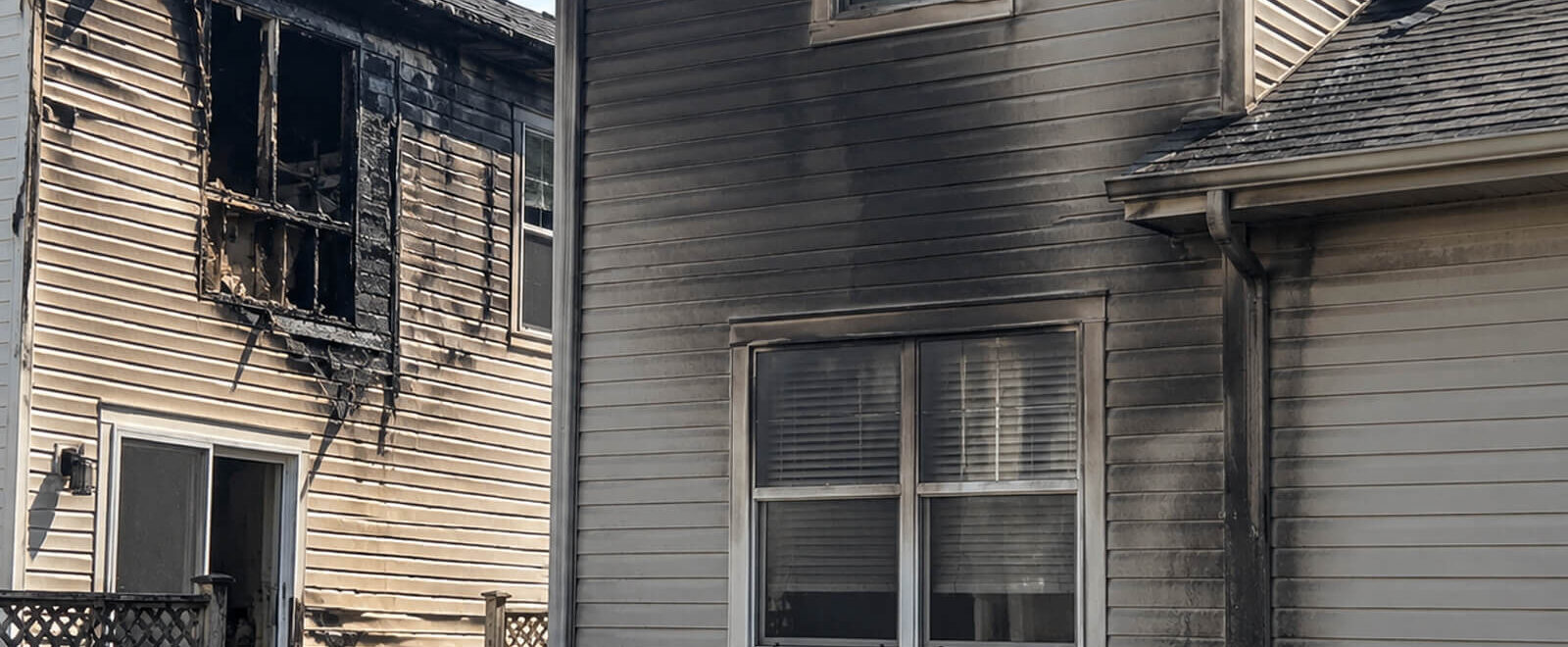
When a fire starts next door and spreads into your home, it’s more than just bad luck. It can leave you disoriented, facing unexpected expenses, and unsure about your legal rights. Homeowners in this situation often ask the same urgent question: Can you sue a neighbor for fire damage, or does your own insurance have to absorb the loss?
The answer isn’t automatic or universal. Outcomes depend on how the fire started, whether negligence was involved, the type of damage that occurred, and how insurance policies interact. In many cases, your insurer pays first, while liability issues are addressed later. In other situations, legal action may become necessary.
Understanding what really happens when a neighbor’s fire damages your property can help you protect your rights. This includes knowing how liability is determined, how insurance responds, and when it makes sense to involve a fire damage lawyer.
Liability for Fire Damage to a Neighbor’s Property
It’s natural to assume that if a fire starts at a neighbor’s home and damages your home, they’re automatically responsible. Many homeowners assume that because the fire originated next door, the neighbor must be legally liable for all resulting damage. In reality, fire liability is more nuanced.
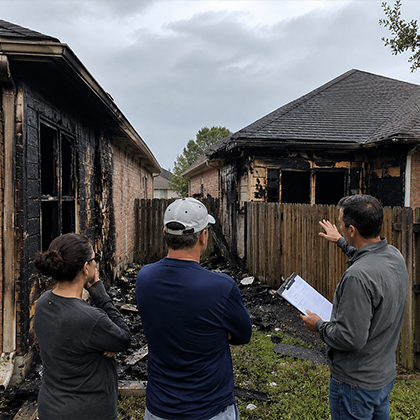
Legal responsibility for fire damage from a neighbor depends on a combination of factors, including:
- The cause of the fire
- Whether negligence can be established
- The type of damage sustained
- How insurance policies respond to third-party losses
These factors must be evaluated together, not in isolation.
It’s also important to understand that insurance coverage and legal fault are separate issues. An insurer may pay to restore your property without deciding who caused the fire, while liability may be addressed later.
Understanding this distinction helps homeowners avoid premature conclusions about fault and focus instead on protecting their financial and legal position from the beginning.
When a Neighbor May Be Legally Responsible
A neighbor is typically held responsible for fire damage only when negligence can be proven. Negligence means more than a simple accident. It involves a failure to exercise reasonable care under the circumstances. Common examples include:
- Unsafe cooking practices or unattended open flames
- Improper disposal of cigarettes or ashes
- Faulty or poorly maintained electrical wiring
- Illegal outdoor burning or fire-code violations
- Ignoring known hazards, such as malfunctioning appliances
When negligence is established, liability can extend beyond visible fire damage to include:
- Structural repairs
- Smoke and soot damage
- Heat-related damage to materials
- Out-of-pocket costs like deductibles or uncovered losses
In these cases, legal claims may be appropriate in addition to insurance recovery.
When a Neighbor Is Typically NOT Responsible
In many situations, a neighbor will not be legally responsible, even though their fire caused extensive damage. This is most common when the fire was truly accidental, and there is no evidence of preventable conduct or safety violations.
Neighbors are usually not responsible when:
- The fire was accidental and unavoidable
- No unsafe behavior or code violations occurred
- The fire was caused by natural events like lightning
When liability cannot be established, homeowners insurance becomes the primary, and often the only, path to recovery. This does not mean the damage is uncompensated. It just means that recovery comes through insurance coverage rather than a lawsuit against the neighbor.
Liability by Damage Type
Fire-related losses are evaluated differently by insurers and courts depending on the type of damage involved. Correctly identifying the nature of the damage helps ensure it is claimed under the right coverage and reduces the risk of misclassification or undervaluation.
Fire Damage
Direct fire damage, such as burned walls, roofing, framing, or structural components, is almost always covered under a standard homeowners policy. A neighbor is only legally responsible if the fire resulted from negligent behavior, such as unsafe use of open flames or failure to address known hazards. Without proof of negligence, recovery typically comes solely from insurance rather than a lawsuit.
Smoke and Soot Damage
Smoke can travel far beyond the fire’s origin, infiltrating walls, insulation, HVAC systems, and personal belongings. While most policies cover smoke and soot cleanup, legal responsibility depends on fault. Because smoke damage is less visible, insurers often undervalue it, making thorough documentation especially important when liability is disputed.
Heat Damage
Intense heat can warp materials, crack finishes, and compromise structural elements even when flames never cross property lines. This type of damage is frequently overlooked or mistaken for normal wear, yet it is compensable when tied to a nearby fire. As with other categories, holding a neighbor responsible requires proof that the fire resulted from negligence rather than an unavoidable accident.
Water Damage from Firefighting Efforts
Water damage caused by sprinklers or firefighting hoses is typically treated as part of the fire loss, not as a separate water damage claim. Coverage generally applies regardless of fault, but neighbor liability again depends on whether their negligence caused the fire that required suppression in the first place.
Personal Property Damage
Furniture, electronics, clothing, and other belongings damaged by fire, smoke, heat, or water are usually covered up to policy limits under personal property coverage. Insurers may pay these losses even when no one is legally at fault, though recovering amounts beyond coverage limits may require proving a neighbor’s liability.
Understanding these distinctions helps homeowners pursue the right recovery path without weakening either their insurance claim or potential legal rights.
Why Liability Understanding Matters Before Filing
Understanding liability before filing a claim goes beyond legal technicality. It directly affects how insurers evaluate the loss, how quickly repairs begin, and whether a homeowner preserves the option to pursue recovery beyond insurance limits.
- Avoid Misfiled or Delayed Claims: Misunderstanding liability can lead to filing the wrong type of claim or providing unclear statements about the source of damage. Early claim framing matters, and errors at this stage can lead to delays, disputes, or unnecessary investigations.
- Preserve Legal Rights Against a Negligent Neighbor: Misstatements or incomplete documentation can weaken future legal claims if a neighbor’s negligence later becomes relevant. If a neighbor’s negligence contributed to the fire, preserving that position from the outset helps ensure that evidence, timelines, and insurer communications remain consistent with a potential liability case rather than disregarding that option prematurely.
- Identify When Legal Counsel May Be Necessary: Some claims can be resolved entirely through insurance, while others involve coverage gaps, high deductibles, or damages exceeding policy limits. Understanding liability early helps homeowners recognize when the situation goes beyond a routine claim and when involving a fire damage lawyer could protect their financial recovery.
Misunderstanding liability can slow the process and limit compensation, reduce leverage with insurers, and eliminate legal options that might otherwise have been available.
What to Do First If a Neighbor’s Fire Damages Your Property
Immediate action protects both your home and your insurance claim. The steps you take early can affect coverage decisions, repair timelines, and potential recovery from a negligent neighbor.
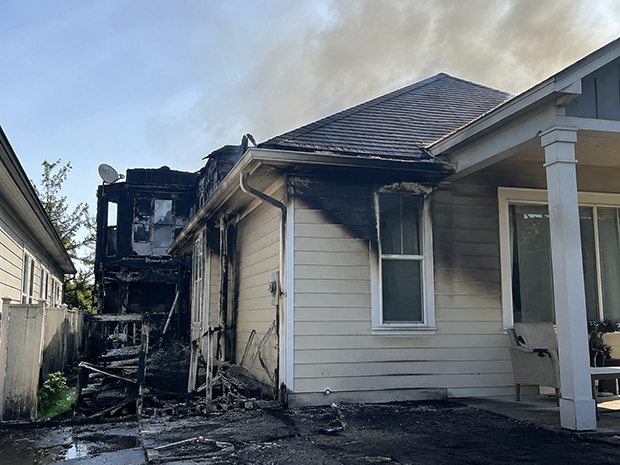
- Notify your insurer immediately to trigger coverage, inspections, and claim documentation.
- Prevent further damage with temporary repairs, if safe to do so, to limit additional losses.
- Document everything with photos and video before cleanup or repairs begin.
- File the claim even if you believe the neighbor may be responsible for the fire.
- Get repair and replacement estimates from qualified professionals.
- Review and negotiate settlement terms carefully, especially for smoke-related damage, which is often undervalued.
- Consult a fire damage claim lawyer if disputes arise over coverage, valuation, or liability.
Early missteps can reduce payouts, delay repairs, or complicate later efforts to recover losses tied to a neighbor’s negligence.
Who Pays First vs Who Pays Later? Subrogation Explained
Subrogation is one of the most misunderstood parts of fire damage claims. In simple terms:
- Your insurance usually pays first.
- Your insurer may later pursue the neighbor or their insurer if negligence is proven.
How It Works in Practice
Your homeowners insurance typically:
- Covers repairs, cleanup, and restoration
- Pays replacement or repair costs
- Advances funds so necessary repairs aren’t delayed
If negligence is later established, the neighbor or their insurer may:
- Reimburse your insurance company
- Cover uncovered losses
- Repay your deductible
Importantly, filing with your insurer does not eliminate a neighbor’s potential liability. Subrogation allows repairs to move forward without forcing you to wait for liability disputes or legal action to be resolved.
Can You Sue a Neighbor for Fire Damage?
So, can you sue a neighbor for fire damage? Yes, but only under specific conditions.
Legal action is generally appropriate when the fire resulted from negligent conduct, such as unsafe behavior, code violations, or ignored hazards, and when significant losses fall outside available insurance coverage.
Accidental fires without negligence rarely support lawsuits, even when damage is extensive. In those cases, insurance recovery is typically the primary remedy.
How Can You Prove a Neighbor’s Fire Damaged Your Property?
Successful legal claims typically require proof of four key elements:
- Duty of Care: The neighbor owed a reasonable obligation to act safely.
- Breach of Duty: The neighbor failed to act with reasonable care under the circumstances.
- Causation: The breach directly caused the fire and the resulting damage.
- Financial Loss: Documented repair, replacement, and related costs.
Supporting evidence commonly includes:
- Fire department reports
- Expert evaluations, when applicable
- Photos and videos of the damage
- Witness statements
- Repair and replacement estimates
- Insurance claim records
Without this foundation, lawsuits struggle to succeed.
Smoke Damage from a Neighbor’s Fire: Coverage and Claim Considerations
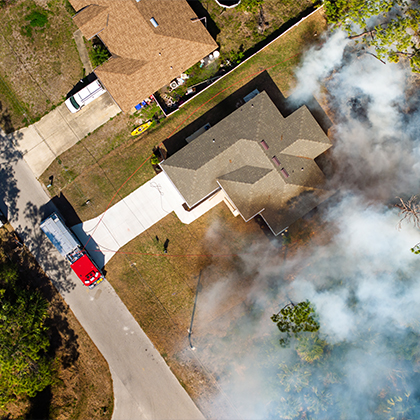
Smoke often causes the most widespread and undervalued damage. Smoke damage from a neighbor’s fire can affect:
- Walls, ceilings, and insulation
- Furniture, clothing, and electronics
- HVAC systems and ductwork
- Indoor air quality
- Long-term odors that persist after cleaning
Improper cleanup can worsen smoke damage or destroy evidence. Professional restoration is usually necessary, and documentation should happen before cleaning begins.
Because smoke damage claims are frequently disputed or minimized by insurers, legal guidance can be especially valuable when the scope or severity of loss is challenged.
When to Consult a Fire Damage Lawyer
Legal help becomes necessary when the fire damage claim goes beyond routine insurance handling. Common situations where you should seek legal guidance include:
- Claims are denied or underpaid
- Insurers dispute negligence or liability
- Uninsured losses exceed policy limits
- A neighbor refuses responsibility
A fire damage lawyer can coordinate the insurance strategy with legal recovery, ensuring one doesn’t undermine the other.
Conclusion
When a neighbor’s fire damages your property, the path forward involves more than completing repairs. Understanding liability, insurance coverage, and legal options plays a critical role in determining whether you recover fully or absorb losses you shouldn’t have to bear.
In most cases, homeowners should begin with their own insurance and address neighbor liability only if negligence is later established. Legal guidance helps ensure claims are framed correctly and rights are protected. If your recovery is delayed, denied, or disputed, a free claim evaluation with Pandit Law can help clarify your options.
Frequently Asked Questions
Yes, a landlord may be responsible if negligence, building code violations, or poor maintenance contributed to the fire. Examples include faulty wiring, missing smoke detectors, or ignored safety hazards. Liability depends on whether the landlord failed to maintain safe living conditions that contributed to the fire.
Subrogation allows your insurer to recover costs from the responsible party after paying your claim. This process lets repairs move forward without delay. If your insurer recovers funds, you may also be reimbursed for your deductible or uncovered losses.
You should consider contacting a fire damage lawyer when your claim is delayed, denied, or underpaid, when liability is disputed, or when losses exceed coverage. Legal guidance can help protect your rights, preserve evidence, and coordinate insurance and legal strategies effectively.
Your first step should be to file a claim with your homeowners insurance as soon as possible. This triggers coverage, inspections, and repairs. Legal action, if needed, typically comes later, once the cause of the fire and potential negligence are clearer.