
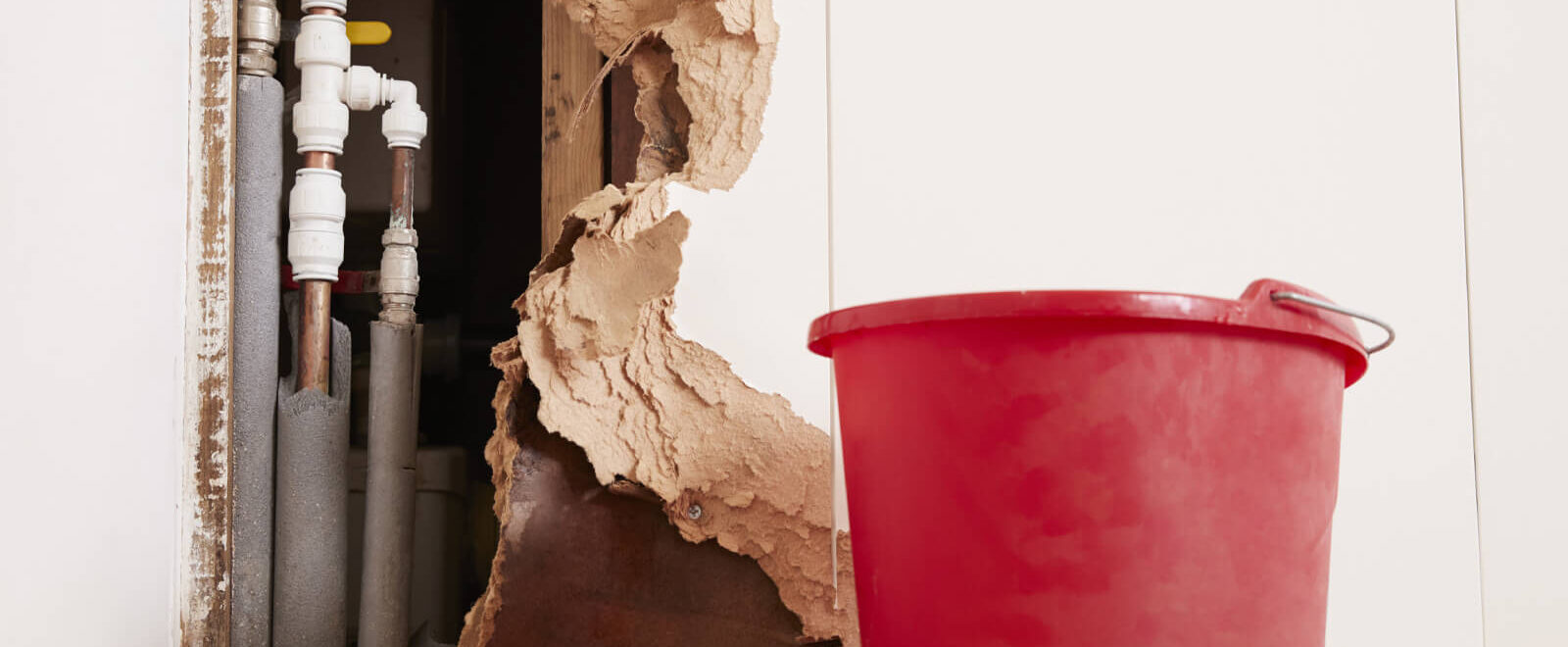
A burst pipe can turn into a serious property emergency in minutes. Water can spread quickly through walls, ceilings, and flooring, leaving homeowners dealing with costly repairs and unexpected disruption. In many cases, confusion starts right away as homeowners try to understand what their insurance actually covers, especially when policies draw a fine line between sudden damage and long-term issues.
Acting quickly after a pipe bursts is essential to limit further damage and protect your right to file a burst pipe insurance claim. This guide breaks down how coverage typically works, what exclusions to watch for, the steps involved in filing a claim, common claim problems, and when legal guidance may be helpful.
Does Homeowners Insurance Cover Burst Pipes?
In many cases, homeowners insurance does cover damage caused by a burst pipe. However, the answer is not always straightforward. Coverage often depends on how the damage happened and the specific terms outlined in your policy.
When Burst Pipe Damage Is Usually Covered
Most homeowners policies are designed to cover sudden and accidental damage. A burst pipe typically falls into this category when it happens without warning.

Common covered scenarios may include:
- Pipes that burst due to freezing temperatures during winter
- Sudden plumbing failures, such as a cracked or ruptured pipe
- Accidental damage caused by appliances or unexpected pressure buildup
While these events are often covered, it is important to understand that insurance usually pays for the resulting water damage, not always the pipe itself. The exact scope of coverage depends heavily on the cause of loss and how your policy is written.
What Parts of the Damage May Be Covered
Once a claim is approved, different parts of your policy may apply depending on the type of damage.
Dwelling Coverage
This is typically the largest portion of a claim. It covers damage to the structure of your home caused by water from a burst pipe. Covered structural elements often include:
- Walls, ceilings, and drywall
- Flooring and subflooring
- Cabinets and built-in fixtures
- Electrical systems affected by water
Personal Property Coverage
Homeowners insurance may also cover belongings damaged by the water. Covered items often include:
- Furniture and home décor
- Electronics and appliances
- Clothing, rugs, and household items
Reimbursement depends on whether your policy provides replacement cost value or actual cash value, which can affect how much you receive.
Additional Living Expenses (Loss of Use) Coverage
If your home becomes temporarily unlivable, your policy may cover necessary living expenses while repairs are underway. Eligible expenses may include:
- Hotel stays or short-term rentals
- Meals and laundry expenses
- Other reasonable day-to-day costs
This coverage is usually subject to limits and falls under Additional Living Expenses or Loss of Use provisions of the homeowners policy.
Emergency Mitigation Services
Insurance may also cover steps taken immediately after the pipe bursts to prevent further damage. Typical emergency services include:
- Water extraction and drying services
- Emergency plumbing repairs
- Temporary fixes to stabilize the property
Keeping receipts and records is essential to support reimbursement for these services.
Is the Broken Pipe Itself Covered?
There is an important distinction between fixing the damage and replacing the pipe. Insurance companies often cover the cost to access the pipe, such as removing drywall or flooring, and repairing the damage caused by water.
However, the actual replacement of the pipe may not be covered if the issue resulted from wear and tear or aging. In some cases, endorsements or specific policy provisions may provide limited coverage, so reviewing your policy details is key.
Understanding your coverage can help you avoid unexpected claim issues and prepare for the next steps if you need to file a claim.
When Pipe Burst Insurance Claims Are Not Covered
Not every pipe burst leads to a valid insurance payout. Many claims get denied because the damage does not meet the policy’s definition of sudden and accidental loss. Understanding these exclusions can help homeowners avoid common claim issues.
Maintenance-Related Exclusions
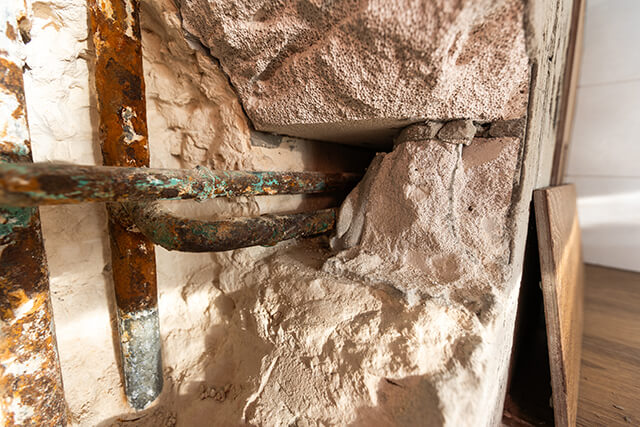
Insurance companies often deny claims when they believe the damage resulted from neglect or poor upkeep. Policies generally require homeowners to maintain their property in reasonable condition.
Common maintenance-related issues that may lead to denial include:
- Corroded or rusted pipes that failed over time
- Outdated plumbing systems that were never upgraded
- Slow leaks that developed over time rather than from a single, identifiable event
- Long-term seepage that caused hidden water damage
- Failure to repair known plumbing problems
In these cases, insurers may argue that the damage was preventable, which can make a burst pipe insurance claim more difficult to recover.
Failure to Prevent Frozen Pipes
Frozen pipe claims are often scrutinized closely. While freezing can be a covered cause, insurers expect homeowners to take reasonable precautions.
A claim may be denied if the insurer finds that basic preventive steps were not taken, such as:
- Not maintaining heat inside the home during cold weather
- Leaving the property vacant without winterizing it
- Failing to shut off the water supply when appropriate
- Not insulating exposed pipes in vulnerable areas
These situations often lead insurers to question whether the damage was preventable.
Other Common Exclusions
Beyond maintenance and freezing issues, several other exclusions may apply depending on the policy. These often include:
- Flood damage, which typically requires separate flood insurance
- Sewer backup, which may require an added endorsement
- Certain types of foundation-related damage
- Pipe damage caused by earth movement
- Negligent property upkeep
- Vacancy-related limitations
- Restrictions on business-related property
Reviewing your policy carefully can help you understand where coverage may stop and where additional protection may be needed.
Common Causes of Burst Pipes That Lead to Insurance Claims
Burst pipes can happen for several reasons, and the cause often plays a key role in how a claim is evaluated. Identifying what led to the damage is essential when pursuing a burst pipe damage insurance claim.
Frozen Pipes
Frozen pipes are one of the most common causes of winter-related claims. Cold temperatures can cause water inside pipes to freeze and expand. This pressure buildup can eventually cause the pipe to crack or rupture.
Aging or Corroded Pipes
Older pipes are more prone to cracking or bursting. Over time, plumbing systems can weaken due to age, corrosion, or mineral buildup. Insurers often look at maintenance history to determine whether the damage was preventable.
High Water Pressure
Excessive water pressure can strain pipes beyond their limits. Over time, this stress can lead to sudden pipe failure, especially in older systems.
Tree Root Intrusion
Roots from nearby trees can grow into underground pipes, causing blockages or structural damage. This can weaken the pipe and eventually lead to a break.
Accidental Damage
Unexpected incidents can also cause pipes to burst. These may include:
- Drilling or construction errors
- Appliance malfunctions
- Sudden plumbing accidents
Foundation Shifts and Slab Leaks
Movement in a home’s foundation can place stress on underground pipes. This can lead to slab leaks or pipe breaks, which are often complex and may lead to claim disputes.
Understanding the cause of a burst pipe can make a significant difference in how an insurance claim is reviewed and resolved.
How to File a Burst Pipe Insurance Claim Successfully
Filing a burst pipe insurance claim involves more than just reporting the damage. The steps you take immediately after the incident can directly impact how your claim is evaluated and resolved.
Step 1: Take Immediate Steps to Control the Damage
Acting quickly is critical after a pipe bursts. Immediate action helps reduce damage and supports your burst pipe insurance claim.
Key steps you should take to prevent further damage include:
- Shut off the main water supply right away.
- Turn off the electricity if water is near outlets or wiring.
- Remove standing water and begin basic cleanup.
- Make temporary repairs to prevent further damage.
Step 2: Document All Damage Thoroughly
Strong documentation plays a major role in any burst pipe insurance claim. Before starting cleanup, capture clear evidence of all affected areas.
Be sure to document:
- Damaged walls, ceilings, and flooring
- Personal belongings impacted by water
- Visible pipe damage and leak sources
Photos and videos can help reduce disputes and support a more accurate claim evaluation.
Step 3: Review Your Homeowners Insurance Policy
Before moving forward, review your policy to understand how your claim may be handled.
Focus on:
- Coverage for sudden water damage
- Deductibles and policy limits
- Additional living expenses coverage
- Sewer backup endorsements, if applicable
It’s also important to understand the difference between coverage for pipe replacement and the damage caused by the leak.
Step 4: Notify Your Insurance Company Promptly
Timely reporting is essential for a smooth claim process. Delays can lead to unnecessary complications and may result in denials.
When reporting the claim, be prepared to provide:
- The cause of the damage, if known
- Areas of the home affected
- Steps already taken to limit damage
Step 5: Continue Mitigation and Stabilize the Property
After filing your burst pipe insurance claim, continue taking steps to protect your property. Insurance companies expect homeowners to prevent additional loss.
This may include:
- Professional water extraction and drying services
- Temporary repairs to stop ongoing leaks
Step 6: Save Receipts and Keep a Detailed Claim File
Keeping organized records can strengthen your claim. Documentation helps support reimbursement requests.
Maintain records such as:
- Invoices from plumbers and repair services
- Emergency service bills and contractor estimates
- Hotel stays and related living expenses
- Emails and communication with the insurer
Step 7: Get Independent Repair Estimates
It is often helpful to obtain repair estimates from contractors who are not affiliated with the insurance company. Independent estimates can reveal gaps between actual repair costs and the insurer’s evaluation.
Step 8: Contact a Property Damage Lawyer if Issues Arise
If your burst pipe insurance claim is delayed, denied, or underpaid, legal guidance may be necessary. Disputes often involve issues such as slab leaks, access-related repairs, and claim handling practices
Early legal support can help you assess your position and respond effectively to claim challenges.
Taking a structured approach to your burst pipe insurance claim can improve your chances of a fair outcome and reduce unnecessary delays.
Burst Pipe Insurance Claim Problems Homeowners Commonly Face
Even when damage is clearly visible, many homeowners encounter challenges during the claims process. These burst pipe insurance claim problems can delay recovery and create added frustration.
Some of the most common issues homeowners face include:
- Claim Denials: Insurers may argue that the damage resulted from a gradual leak instead of a sudden event, which can lead to coverage disputes.
- Underpaid Settlements: Estimates may not fully account for all repairs, leaving out certain damage categories or undervaluing the scope of work.
- Delayed Claim Handling: Slow inspections, repeated requests for documents, and delayed responses can stall progress.
- Disputes Over Pipe Access for Repairs: Disagreements may arise over whether the policy covers opening walls, flooring, or slabs to reach the damaged pipe.
- Matching Issues: Homeowners may face challenges when repairs do not match existing flooring, cabinets, paint, or other finishes.
- ALE or Temporary Housing Disputes: Claims involving hotel stays, relocation, or living expenses may be limited or denied.
Recognizing these issues early can help homeowners take the right steps to protect their claim.
Why Burst Water Pipe Insurance Claims Get Denied
Not all claims are approved, and understanding the reasons behind denials can help homeowners avoid common mistakes. Many burst water pipe insurance claims are rejected due to documentation gaps or policy limitations.
Here are some common reasons insurers may use to deny claims:
- Late Reporting: Delays in notifying the insurer can raise concerns about when and how the damage occurred.
- Lack of Maintenance Evidence: Insurers may request proof that the plumbing system was properly maintained over time.
- Claims of Long-Term Leaks: Insurers may classify the damage as ongoing deterioration instead of sudden pipe failure.
- Policy Exclusions: Certain causes of damage, such as flooding, vacancy issues, or missing endorsements, may not be covered.
- Insufficient Documentation: Incomplete or unclear evidence can give insurers grounds to dispute or limit the claim.
Being proactive with documentation and reporting can make a meaningful difference in how a claim is evaluated.
How a Property Damage Lawyer Can Help With Burst Pipe Claims
When a claim becomes complicated or disputed, legal guidance can help clarify your options and protect your interests. A property damage lawyer can step in at different stages of the process.
They may assist with:

- Reviewing policy language to identify what is covered and where insurers may be misinterpreting terms
- Challenging wrongful denials by addressing unsupported reasons for claim rejection
- Fighting low settlement offers that do not reflect the full scope of repairs
- Handling bad faith insurance practices, such as unreasonable delays or a lack of communication
- Litigation, when necessary, if a fair resolution cannot be reached through negotiation
Having experienced support can make it easier to address disputes and move the claim forward..
Conclusion
Burst pipe claims often come down to proving that the damage was sudden and that reasonable steps were taken right away. Delays, limited documentation, and maintenance-related disputes can quickly create complications during the process. Ultimately, the specific policy language controls how these claims are evaluated.
Homeowners should take the time to review their claim carefully before accepting a denial or a settlement that does not reflect the full extent of the damage. When questions arise or the process becomes difficult to navigate, seeking legal guidance can provide clarity and direction.
If you are dealing with a delayed, underpaid, or denied claim, reaching out to Pandit Law can help you evaluate the claim and determine the most effective next steps.
Frequently Asked Questions
Homeowners insurance may cover frozen burst pipes if reasonable steps were taken to prevent freezing, such as maintaining heat and insulating pipes. Claims can be denied if the insurer believes the damage could have been avoided through proper precautions.
The timeframe depends on your policy and state requirements. Most policies require prompt reporting after the damage occurs. Delays can create complications, so it is important to notify your insurer as soon as possible after discovering the issue.
Yes, homeowners insurance often covers water damage caused by a sudden pipe burst. However, coverage typically applies to the resulting damage, not always the pipe itself, and depends on the cause of loss and policy terms.
Slab leak damage may be covered if it is sudden and accidental. Insurance may pay for accessing and repairing the affected area, but coverage can vary depending on the cause, policy exclusions, and specific endorsements included in your policy.
If your home becomes unlivable due to covered damage, your policy may include additional living expenses coverage. This can help pay for temporary housing, meals, and other necessary costs, subject to policy limits and conditions.
Yes, insurers may deny claims if they determine the damage was caused by aging, wear and tear, or lack of maintenance. Policies generally cover sudden damage, not issues that develop gradually over time due to outdated plumbing systems.