
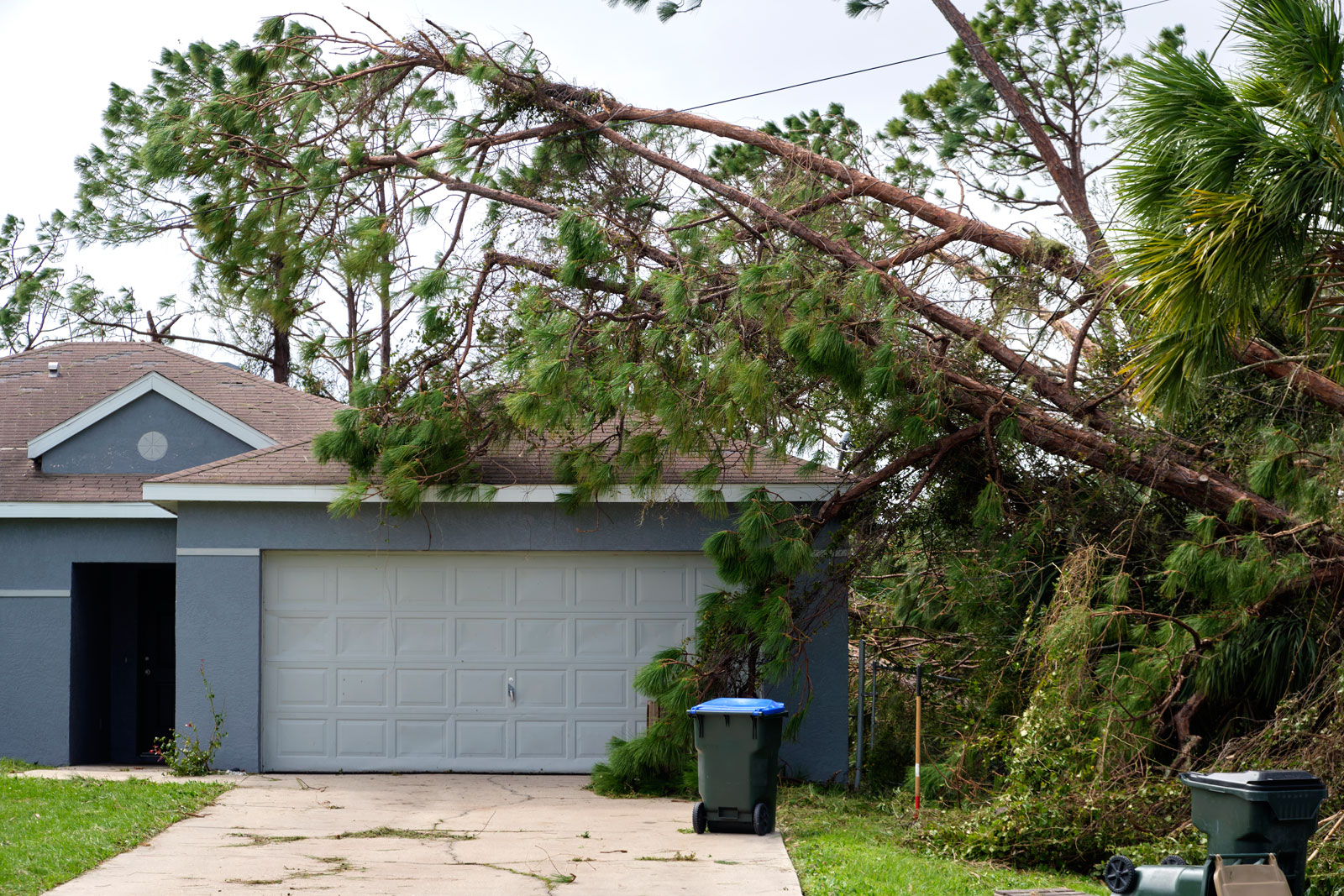
Wind Damage Claims
You Filed Your Wind Damage Claim. Now Make Sure You Actually Get Paid
Filing an insurance claim after wind damage may feel like the first step in the right direction. You have notified your insurer, documented what you can, and expect the process to move forward. For many property owners, that sense of relief does not last long. Repairs remain on hold, questions pile up, and the claim starts to feel stuck.
This is often the point where wind damage claims begin to unravel. Insurers may delay inspections, downplay the scope of damage, or respond with settlement offers that fall short of what the policy should cover. At that point, outcomes depend less on the claim being filed and more on how well it is presented and how firmly it is pushed forward, with the right legal guidance behind it.
Why Is Getting a Fair Settlement for Your Wind Damage So Difficult?
Insurance companies rarely dispute that a storm occurred. The real fight usually starts when they decide how much of the damage they will actually pay for. Many insurers rely on familiar tactics to shrink payouts, even when wind clearly caused the loss. Adjusters may blame missing shingles or leaks on wear and tear, label damage as pre-existing, or perform brief inspections that overlook hidden structural issues. Repair estimates are often undervalued, leaving policyholders to cover the gap.
This friction is common in a wind damage insurance claim. When insurers begin narrowing coverage or disputing scope, professional advocacy becomes critical to keep the claim from stalling or being quietly underpaid.
Take These Immediate Steps to Protect Your Wind Claim
Treat this as your emergency checklist after the storm:
- Mitigate further damage to prevent insurers from blaming avoidable loss.
- Contact your insurance company promptly to start the wind damage claim on record.
- Document the damage thoroughly with photos, videos, and notes.
- Track all expenses related to temporary repairs and cleanup.
- Consult a lawyer early to protect your position if disputes arise.
These steps matter because documentation and timing often determine leverage if an insurer later acts in bad faith.
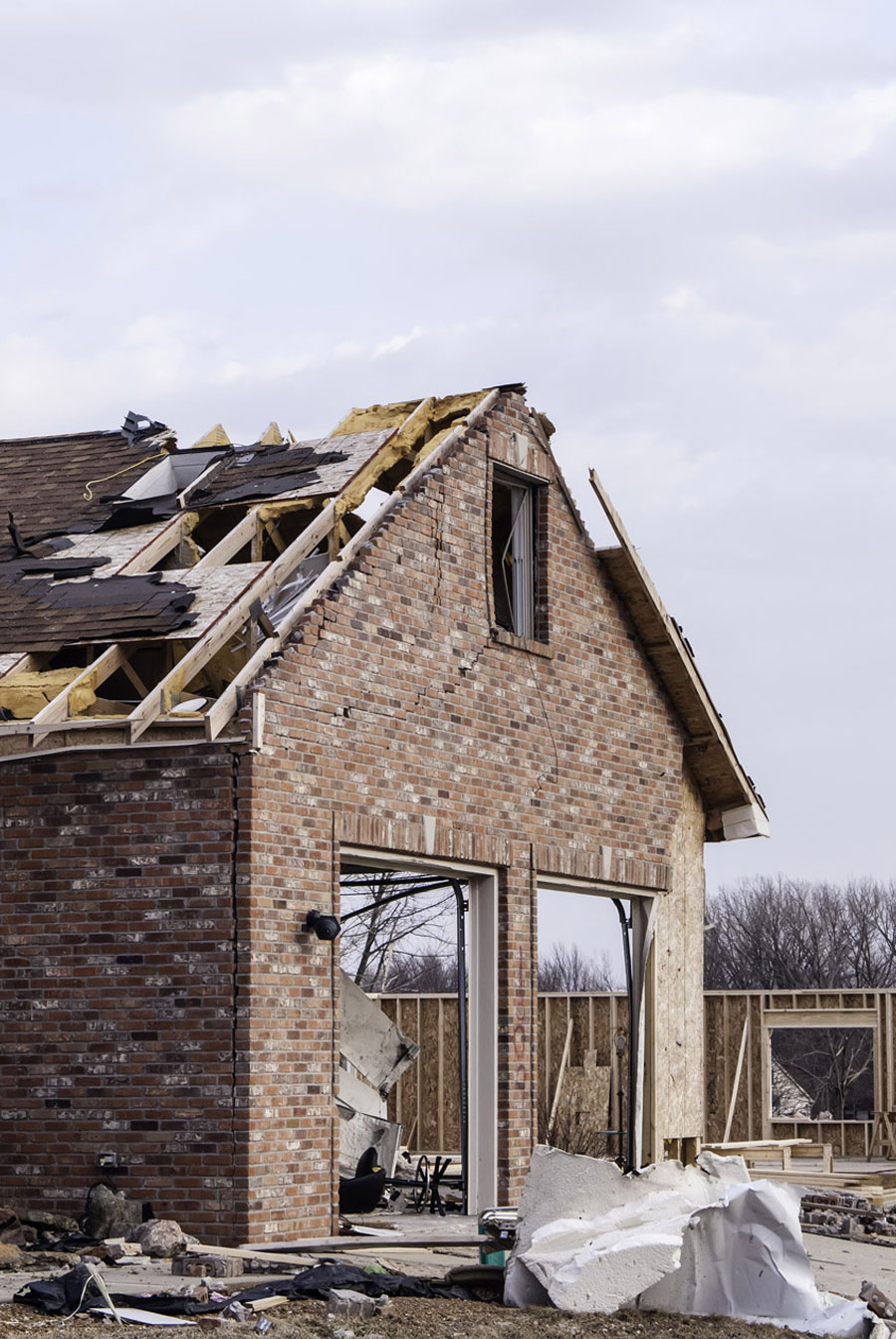
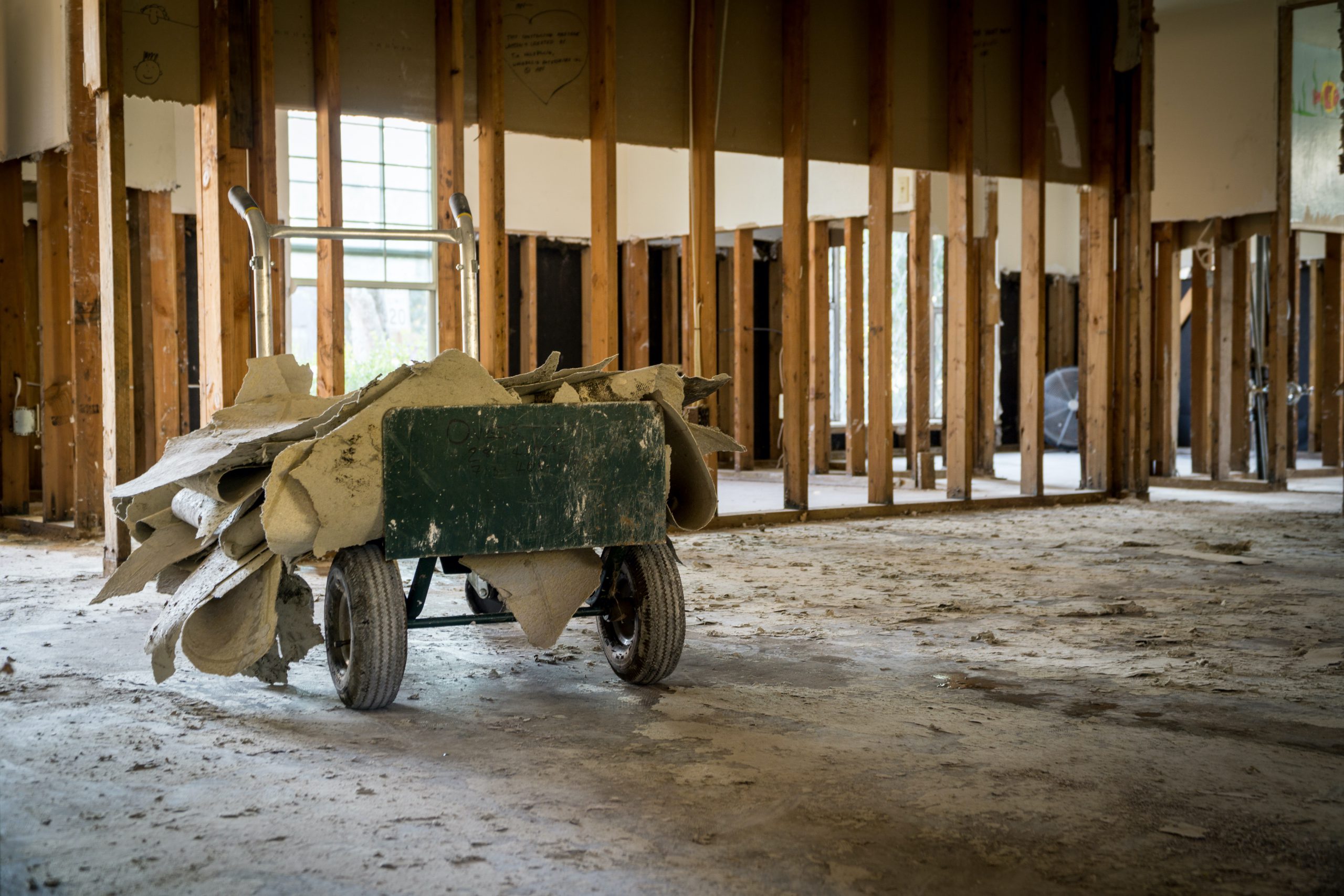
If your wind damage claim feels disputed or undervalued, legal guidance can help protect your recovery.
Awards and Recognitions





Google Reviews
Commercial, Residential, and Industrial Wind Damage Claims: What Makes Them So Different?
Wind damage does not impact every property the same way. The type of structure, how it is used, and how the policy is written all shape how a claim unfolds. That is why wind damage claims require different strategies depending on whether the loss involves a home, a business, or a large-scale facility.
This is where experienced wind damage insurance claim help becomes essential. Handling these claims side by side allows patterns to surface and weak insurer arguments to be challenged early.
Residential Wind Damage Claims
Homes often suffer visible and hidden damage after high winds, including roof loss, siding failure, broken windows, and wind-driven rain entering the interior. Insurers frequently respond by:
- Blaming roof age, wear and tear, or maintenance issues.
- Limiting inspections to what is visible from the ground.
- Ignoring damage beneath shingles, flashing, or interior walls.
Commercial Wind Damage Claims
Commercial claims carry higher dollar values and more friction, often leading to commercial wind damage insurance claims being denied outright. Insurers may:
- Apply coinsurance penalties or sub-limits to reduce payouts.
- Delay decisions while questioning scope or causation.
- Deny coverage outright, especially when business interruption losses are involved.
Industrial and Large-Scale Wind Damage Claims
Industrial facilities, warehouses, and large-span structures face severe wind exposure and complex losses. These claims often require engineering reports, structural evaluations, and coordination across multiple insurers or layered coverage. Because the financial exposure is significant, insurers aggressively challenge nearly every aspect of the claim.
Wind vs Water Damage Disputes, Deductibles, and Policy Exclusions Insurers Use to Reduce Payouts
Many wind damage claims break down not because the damage is disputed, but because of how the insurer chooses to classify it. Policy language gives insurers room to delay decisions, narrow coverage, or reduce payouts, even when wind clearly played a role.
These disputes often turn technical quickly, which is why experienced wind damage insurance claim help can make the difference between a stalled claim and a meaningful resolution.
Wind vs Water Damage Disputes and Anti-Concurrent Causation Clauses
High winds frequently tear off shingles, damage siding, or create openings in a structure. Rain or moisture then enters afterward, compounding the loss. Insurers often attempt to reclassify this sequence as water or flood damage to avoid paying under wind coverage.
Anti-concurrent causation clauses are also commonly cited to deny claims when wind and water are involved, even when wind was the initiating cause of the damage.
Wind Damage Deductibles and Policy Exclusions That Reduce Claim Payments
Many policies apply wind-specific or percentage-based deductibles that significantly shrink payouts before repairs even begin. Insurers may also rely on exclusions to limit coverage. These provisions:
- Can dramatically reduce what the policy actually pays.
- Are not automatic denials and must be properly applied.
- Require factual support, not assumptions or blanket interpretations.
If your insurer is disputing wind vs. water damage or limiting coverage, call us to see how we can help challenge unfair claim decisions.
How Pandit Law Navigates the Maze of the Wind Damage Claim Process
Wind damage claims often become complicated once insurers begin questioning coverage or disputing the scope and value of the claim. Pandit Law steps in to manage wind damage insurance claims from start to finish, keeping pressure on the insurer while protecting your position at every stage. Support typically includes:
- Filing the claim correctly and positioning it for full consideration under the policy.
- Preparing and submitting proof of loss paperwork with supporting documentation.
- Backing up the claim using inspections, estimates, and evidence that insurers often overlook.
- Tracking deadlines to prevent delays from quietly eroding your rights.
- Negotiating directly with the insurer to challenge low offers or stalled responses.
- Filing suit for bad faith when insurers delay, deny, or undervalue a legitimate claim.
This approach keeps the focus where it belongs, on moving the claim forward, not letting it fade into prolonged dispute.
Why Hire a Law Firm When You Have a Wind Damage Insurance Claim?
Wind damage often involves more than what is immediately visible. Direct damage to roofs, siding, and windows frequently leads to wind-driven rain, interior water intrusion, and structural issues that insurers tend to undervalue or exclude. A wind damage insurance claim law firm brings leverage that policyholders do not have on their own.
- A law firm understands how direct and indirect damage should be evaluated together.
- Legal pressure compels insurers to reassess claims they might otherwise stall.
- The threat of litigation changes how insurers respond and negotiate.
- Insurers take claims more seriously when bad faith exposure is on the table.
- Experienced attorneys interpret complex policy language to ensure you are not shortchanged.

Find out how a law firm can strengthen your wind damage insurance claim. Get a FREE claim evaluation today.
Every State Plays by Different Rules – We Know How to Win in Yours
Insurers must follow rules that vary significantly across states. The way a wind damage claim is handled, delayed, or challenged depends heavily on state law. A strategy that works in one state may fall flat in another.
That is why experienced legal guidance matters when insurers begin pushing back. Knowing how deadlines, penalties, and bad faith standards apply allows pressure to be applied at the right moment and in the right way.
Louisiana
In Louisiana, wind claims are governed by strict bad faith statute R.S. 22:1892 requiring insurers to act promptly and fairly. These laws impose 60 to 90-day payment windows once satisfactory proof of loss is received.
When insurers miss these deadlines or undervalue claims, penalties can come into play. A lawyer familiar with Louisiana wind damage claims understands how to document violations and use these timelines as leverage when negotiations stall.
Texas
Texas wind claims follow a different framework under the Texas Prompt Payment of Claims Act. Chapter 541 and 542 regulate how quickly insurers must respond, investigate, and pay claims, while also addressing unfair settlement practices.
Texas claims often involve disputes over anti-concurrent causation clauses and wind versus water classifications. Attorneys handling Texas wind damage claims know how to enforce these protections when insurers delay or attempt to narrow coverage.
When Is it Time to Call Us? Signs Your Wind Claim Is Being Delayed, Denied, or Underpaid
Insurance friction rarely announces itself clearly. Instead, it shows up through patterns that quietly cost policyholders time and money.
Delayed
- The insurer repeatedly reschedules or postpones inspections.
- Communication slows or stops without explanation.
- Requests for additional documents keep coming in waves.
- No clear decision is made weeks or months after filing.
Denied
- The insurer blames wear and tear or pre-existing conditions without proper support.
- Wind damage is reclassified as excluded water or flood damage.
- Coverage is denied outright despite a clear storm impact.
- Denial letters rely on vague or selective policy language.
Underpaid
- Repair estimates fall far below contractor or engineering assessments.
- Hidden or resulting damage is ignored.
- Depreciation is applied aggressively.
- Settlement offers do not reflect the true cost to restore the property.
If you are seeing these signs, you may already be losing money each day. Connecting with a lawyer immediately can prevent further delays and help push the claim back on track.
If your wind claim was delayed, denied, or underpaid, call now to speak with our team and find out if we can help.
Why Policyholders Choose Pandit Law as Their Wind Damage Law Firm
After severe wind damage, policyholders need more than claim forms and phone calls. They need a law firm that understands how insurers evaluate wind losses and knows when to apply pressure. Pandit Law focuses on property damage matters, allowing wind claims to be handled with strategy, focus, and urgency.
Policyholders choose Pandit Law because of our:
- Experience in wind damage claims, including complex losses involving roofs, siding, windows, and resulting interior damage.
- Proven track record of success addressing delayed, denied, and underpaid insurance claims.
- Aggressive advocacy against bad faith, holding insurers accountable when they stall, undervalue losses, or misapply policy terms.
- Personalized case evaluation, with each claim reviewed based on policy language, damage scope, and insurer conduct.
- Local knowledge with national expertise, combining regional storm experience with a broader understanding of insurance practices.
At Pandit Law, wind damage claims are not treated as routine files. They are approached with purpose and accountability.
Pandit Law’s local expertise and proven track record help ensure your wind damage claim stays on track. Request a FREE claim evaluation today.
Let Us Take Over the Fight for Your Settlement! Schedule Your Free Claim Evaluation
Dealing with an insurance company after wind damage can be exhausting and frustrating, especially when delays or low offers stand in the way of recovery. You do not have to handle that fight alone. With experienced legal guidance on your side, legal pressure replaces uncertainty, and your claim gains the attention it deserves.
If your settlement is stalled or falling short, now is the time to act. Schedule a free claim evaluation and take the first step toward getting your wind damage claim back on track.
Pandit Law
Louisiana
Hancock Whitney Center
701 Poydras Street
Suite 3950
New Orleans, LA 70139
Texas
25722 Kingsland Blvd Suite 103-A,
Katy, TX 77494
(By Appointment Only)