
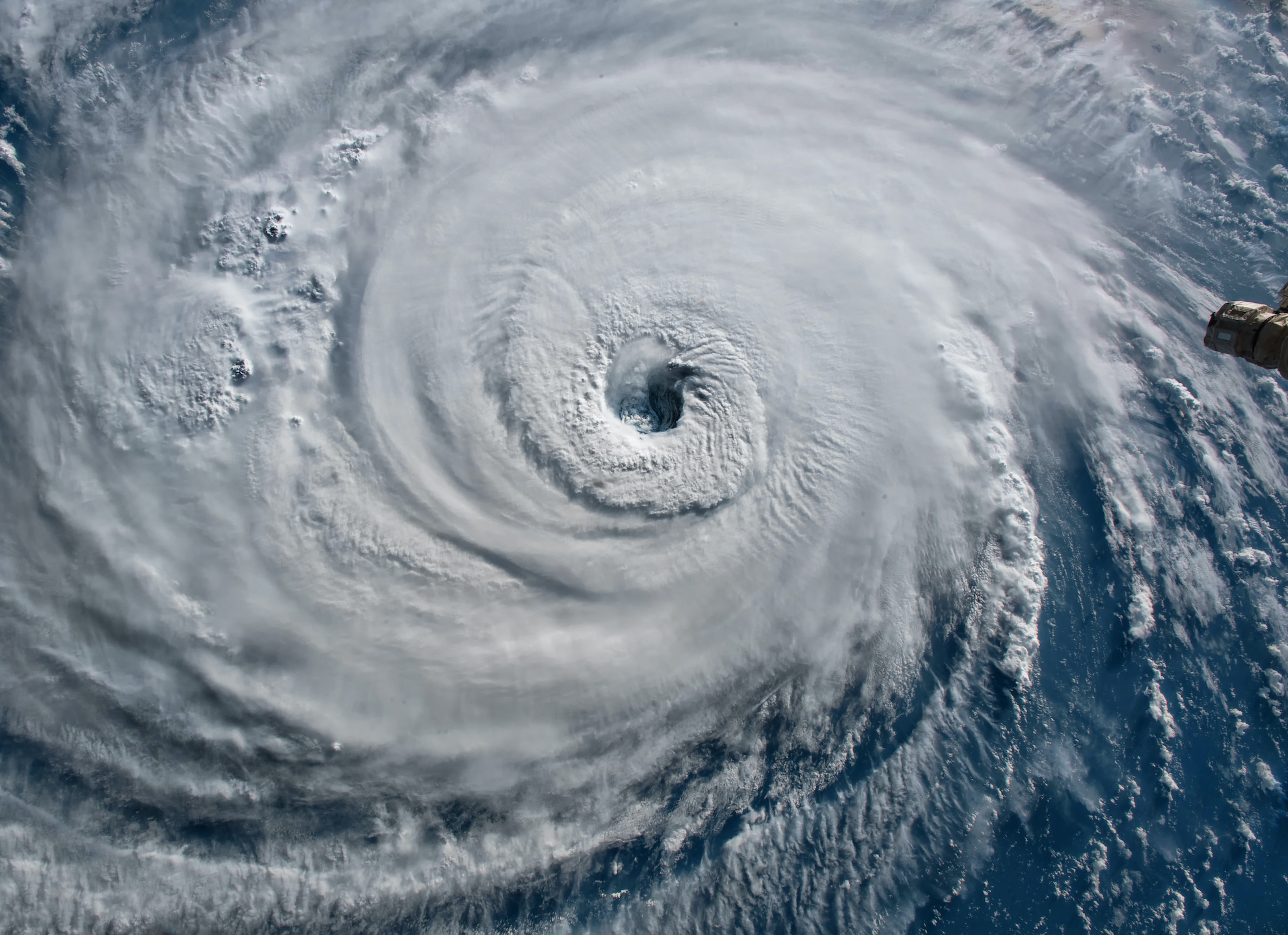
Hurricane Damage Attorney
Helping Texas Property Owners with Hurricane Insurance Claims
Hurricanes along the Texas Gulf Coast can leave behind widespread destruction – damaged roofs, flooded homes, and businesses brought to a halt. For many Texans, the physical damage is only part of the struggle. The real challenge begins when dealing with insurance companies that delay, underpay, or deny legitimate hurricane claims.
A Texas hurricane damage attorney can help you navigate this difficult process, ensuring you understand your policy rights and the state’s claim deadlines. From assessing property loss to negotiating with insurers, an attorney can guide you every step of the way so you can focus on rebuilding your life and property.
Essential Steps Texas Property Owners Must Take After a Hurricane
Most homes will sustain damage in a hurricane, no matter what you do to avoid it. If your home is damaged in a hurricane, be sure you take the steps below to secure your property and to ensure your insurance claim is handled right away. A Texas hurricane damage claims lawyer can also guide you through this process to help protect your rights and strengthen your claim.
Secure Property and Prevent Further Loss
If your property has experienced hurricane damage, tarp your roof as quickly as possible to prevent additional water damage. Remember, insurance companies will find reasons to deny your claim or shortchange you. If they think damage occurred after the storm passed, your path to resolving the claim may become much more challenging.
Document All Damages Thoroughly for Proof of Loss
When you take pictures of your property after the hurricane, start outside. Take a picture of all four sides of your home, and even the roof if you can. Take pictures that show the whole yard, too. When you see damage on the exterior, get close and photograph that damage. Do not expect that the insurance adjuster will see and document everything you see. After all, no one knows your home better than you do!
Inside the home, take pictures of entire rooms and extra photos of any areas that you see damage. Make sure to also photograph your damaged possessions! Having your own thorough set of photos is vital to properly document and prove your claim. Also, keep a written inventory of your damaged property. It’s tedious, but extremely important!

File Your Claim Promptly to Trigger Texas Prompt Payment Deadlines
Insurance companies expect you to act fast after a storm hits. Do not delay filing the claim! The longer you wait, the more questions the insurance company will ask.
If your insurer delays or complicates the process, you don’t have to face it alone. An experienced Texas hurricane damage insurance claim lawyer can guide you every step of the way and help you pursue the compensation you deserve.
Under the Texas Prompt Payment of Claims Act (TPPCA), insurers must acknowledge, investigate, and pay claims within strict timelines. If they fail to comply, they may face an 18% statutory interest penalty under Texas Insurance Code § 542.060. Missing filing deadlines or delaying your claim could weaken your case or limit recovery, so it’s important to act quickly and document every communication with your insurer.
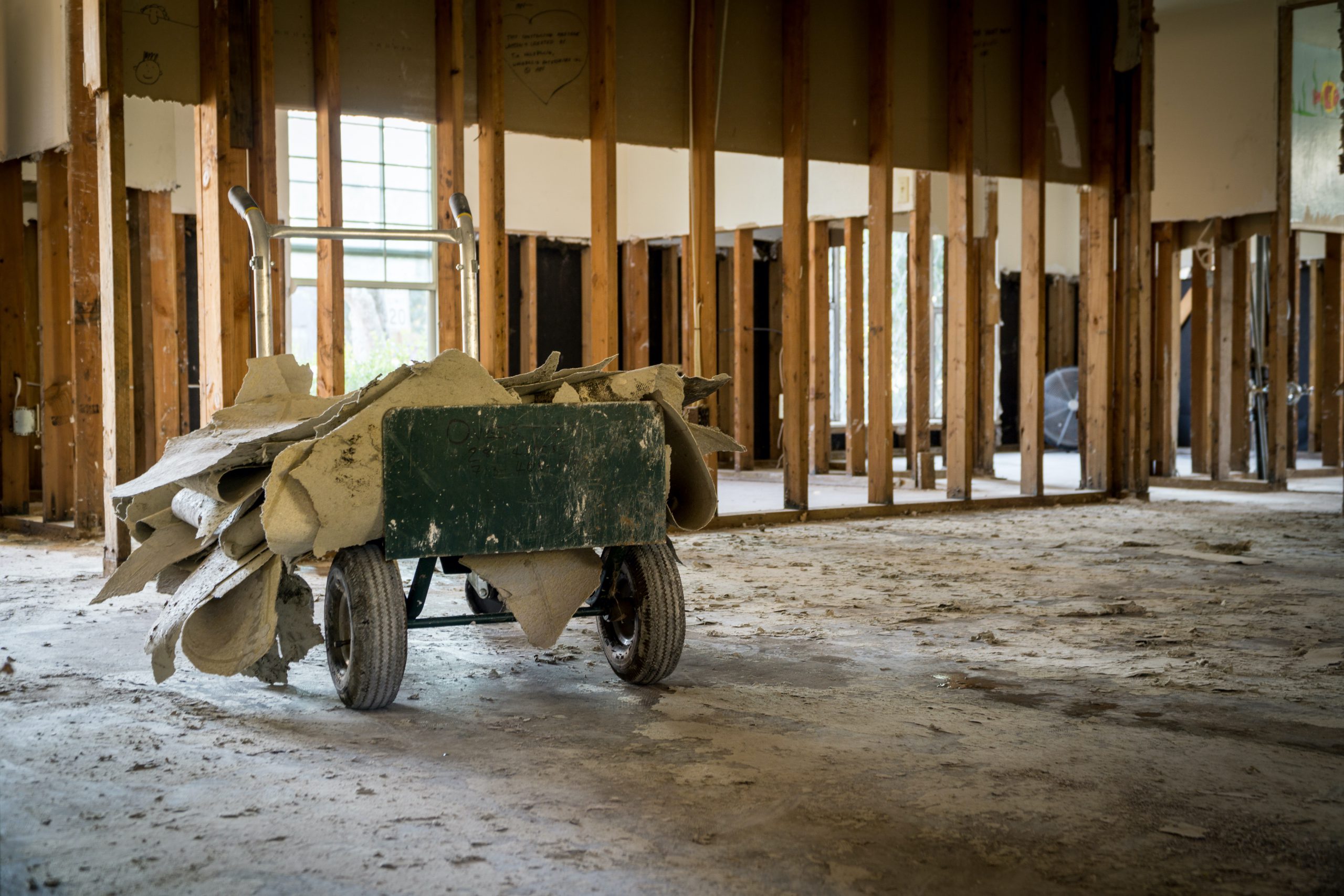
Early action can make a significant difference in your hurricane claim. Get help from a Texas hurricane damage lawyer to protect your interests.
Awards and Recognitions





Google Reviews
What You Need to Know About Hurricane Damage Claims in Texas
Hurricanes in Texas bring intense winds, heavy rain, and storm surges that can cause massive destruction across coastal and inland communities. For homeowners, recovering from that devastation often becomes even more difficult when dealing with insurance claims, especially when insurers question coverage, delay payment, or undervalue losses.
It’s crucial to understand what your insurance policy actually covers before disaster strikes. Most standard homeowners policies do not cover flood damage, meaning you’ll need separate flood insurance through the National Flood Insurance Program (NFIP) to protect against rising water.
If you’re unsure about your coverage or how to navigate a complex claim, the Texas Department of Insurance (TDI) offers valuable resources and guidance. You can also consult a Texas hurricane damage attorney who understands state-specific insurance laws and can help ensure your rights are protected.
What Does Hurricane Insurance Cover for Homeowners?
Hurricane insurance coverage in Texas can be complex, especially because no single policy covers every type of storm-related damage. Most Texas homeowners rely on a combination of insurance policies to protect their homes, belongings, and financial stability after a major storm.
A typical Texas hurricane insurance plan may include coverage for:
- Wind and roof damage caused by hurricane-force winds.
- Structural damage to walls, ceilings, and foundations.
- Water damage from wind-driven rain entering through broken windows, doors, or damaged roofs.
- Personal property losses, including furniture, electronics, and household items.
- Debris removal and temporary living expenses if your home becomes uninhabitable.
Because coverage varies based on where you live – especially along the Texas coast – homeowners may need multiple policies to stay fully protected:
- Homeowner’s Policy: Covers interior and structural damage caused by wind and rain but excludes flooding.
- Texas Windstorm Insurance Association (TWIA): Provides wind and hail coverage for homes in designated coastal areas not covered by standard policies.
- National Flood Insurance Program (NFIP): Covers flood-related losses caused by storm surge or rising water after a hurricane.
Understanding how these policies work together is key to protecting your property and avoiding gaps in coverage.
Common Types of Hurricane Damage in Texas
Hurricanes can cause widespread destruction, leaving behind costly property damage that impacts both homes and businesses. From structural issues to interior losses, the damage often extends beyond what is immediately visible.
Some of the most common types of hurricane damage you may encounter include:
- Roof Damage: High winds can rip shingles off or lift up and even remove entire sections of the roof.
- Water Damage: Heavy rain often leads to water intrusion, ruining flooring, walls, cabinetry, and belongings.
- Structural Damage: Strong winds and debris can weaken or collapse walls, porches, decks, and even move the structure off its foundation.
- Broken Windows and Doors: Strong winds and flying debris can shatter glass and break window frames. It even affects newer dual-pane, argon gas-filled windows, causing permanent damage that looks fine to the naked eye.
- Uprooted Trees and Landscaping Damage: Falling trees and heavy debris can damage roofs, fences, and your possessions.
- Interior Property Losses: Furniture, appliances, electronics, and other personal belongings often sustain severe damage.
Dealing with this kind of destruction can feel overwhelming, but you don’t have to face it alone. A hurricane claim attorney at Pandit Law can guide you through the claims process and advocate for maximum recovery.
The Impact of Major Hurricanes in Texas and the Role of a Hurricane Damage Attorney
Texas has faced some of the most devastating hurricanes in U.S. history. Hurricane Harvey (2017) caused more than $125 billion in property damage, flooding over 200,000 homes and businesses across the state. Nearly a decade earlier, Hurricane Ike (2008) brought powerful winds and storm surges that destroyed thousands of coastal properties and left lasting economic scars on Texas communities.
For Texans, the aftermath of these storms is more than just financial – it’s deeply personal. Families lose homes they’ve built over generations, businesses struggle to reopen, and entire neighborhoods are forced to start over.
During these difficult times, a Texas hurricane damage attorney can help by assessing storm damage, filing claims promptly, and challenging delays, denials, or lowball offers. With the right legal support, you can focus on rebuilding your home and restoring stability while your attorney handles the complexities of your hurricane insurance claim.
Does Your Homeowners Insurance Policy Cover Hurricane Damage?
Most homeowners policies cover this type of damage, but it depends on whether your policy covers all types of hurricane damage. For instance, most homeowners policies do not cover flood damage. These policies usually separate wind and flood damage, so you need a flood insurance policy to cover flooding.
To ensure that you are not underinsured, experts advise that you have Replacement Cost Value (RCV) coverage and not Actual Cash Value (ACV) coverage in your policy. RCV means the insurance company owes you the full cost of replacing your damaged property with materials of a similar quality and type, and reimburses depreciation after repairs are completed. It is recommended to have RCV coverage whenever possible.
Some homeowners insurance policies may also include hail and wind damage coverage related to hurricanes. However, policies for coastal areas often differ from those inland, so it’s essential to review your policy carefully and understand exactly what’s covered before a storm hits.

Not sure if your insurance covers all the damage? Get a FREE hurricane claim evaluation.
How a Hurricane Damage Attorney Assists with Delayed, Denied, or Underpaid Insurance Claims
After a hurricane, many Texas property owners struggle with insurance companies that delay, deny, or underpay legitimate claims. A Texas hurricane damage attorney can make a major difference by helping you navigate strict state insurance timelines and ensuring your rights are protected throughout the process.
Under Texas law, insurers must acknowledge and begin investigating a claim within 15 days of receiving notice. They must then accept or reject the claim within 15 business days after receiving all required documentation. If an insurance company needs more time, it must notify the policyholder in writing, explain the reason for the delay, and make a final decision within 45 days.
When insurers fail to follow these deadlines, you may be entitled to additional compensation.
A Texas hurricane damage attorney can help ensure your claim stays on track, protect you from unfair delays, and negotiate with insurers to pursue the full value of your hurricane damage claim.
Leveraging the Texas Prompt Payment Act Against Delayed Hurricane Claims
Under the Texas Prompt Payment of Claims Act (TPPCA), insurance companies are legally required to process and pay valid claims within strict deadlines. If an insurer unreasonably delays payment, the policyholder may be entitled to significant penalties – including an 18% statutory interest penalty and coverage of reasonable attorney’s fees under Texas Insurance Code § 542.060. This law was created to hold insurers accountable and ensure that Texas homeowners receive timely compensation after devastating hurricanes.
Hurricane insurance claims can be delayed for many reasons, including high claim volume after a storm, incomplete documentation by the insurance adjuster, or disputes over the extent of damage. If your hurricane claim gets delayed, an attorney can help speed up the process by:
- Gathering and submitting thorough evidence of damage.
- Sending experienced insurance professionals that work for YOU, not the insurance company.
- Communicating directly with the insurance company to ensure timely responses.
- Holding the insurer accountable for unnecessary delays through formal notices or legal action.
Fighting Unreasonable Denials
Claims may be denied if insurers argue the damage occurred was either preexisting, isn’t covered under the policy, or was not related to the storm. A hurricane damage claim attorney can:
- Review your policy and insurance company denial letters carefully.
- Document and prove the damage with photos, reports, and expert assessments.
- Negotiate or litigate to reverse the denial and secure compensation.
Challenging Lowball Offers and Unfair Depreciation
Insurance companies sometimes undervalue hurricane damage, offering less than what is required to fully repair or replace your property. A hurricane insurance lawyer helps by:
- Documenting the full extent of damage, including hidden or structural issues.
- Calculating the proper cost to repair or replace your property.
- Negotiating with the insurer or pursuing legal action to recover the full compensation for an underpaid hurricane claim.
With experienced legal guidance, homeowners and business owners can avoid common pitfalls and recover the compensation they deserve after a hurricane.
Bad Faith Insurance Practices in Texas Hurricane Claims
Awareness of bad faith insurance practices has grown in Texas, especially after major hurricanes. Policyholders should understand that insurers may act unfairly after hurricane damage, including delaying payments, underpaying claims, or denying coverage without proper investigation. Recognizing these tactics is critical to protecting your rights and ensuring you receive the compensation your policy allows.
In Texas, there are two primary types of bad-faith claims:
- Statutory Bad Faith: Occurs when an insurer violates specific provisions of the law, such as failing to comply with deadlines under the Texas Prompt Payment of Claims Act.
- Common Law Bad Faith: Arises when an insurer acts unreasonably in handling a claim, such as knowingly underpaying or denying a valid claim without justification.
Texas policyholders are also protected under Texas Insurance Code Chapter 541 (Unfair Claims Settlement Practices). This law outlines prohibited practices, including misrepresenting coverage, failing to attempt prompt settlement, and refusing to pay a claim without a reasonable basis.
Understanding these protections can help homeowners and business owners spot potential bad-faith behavior and take action with the support of a Texas hurricane damage claims lawyer.
Identifying Bad Faith in Hurricane Claims Under Texas Law
If your claims adjuster does any of the following, you may need to talk to a Texas hurricane damage claims lawyer:
- Offers undervalued estimates.
- Tries to settle your claim under another insurance policy.
- Tells you that you do not need an attorney to resolve your claim.
- Requires a written release of additional claims as a condition for insurance settlement.
Not every claim delay or denial is bad faith, yet bad faith claims handling runs rampant after hurricanes. If you suspect that is the case, an attorney skilled in hurricane insurance litigation may help you.
How Hurricane Damage Attorneys Help with Bad Faith Insurance Claims?
Insurance companies sometimes act in bad faith by unreasonably delaying, underpaying, or denying hurricane damage claims. In such cases, a bad-faith hurricane insurance claim lawyer from Pandit Law helps policyholders by:
- Investigating whether the insurer acted unfairly or violated policy terms.
- Documenting all damages and communications to build a strong case.
- Negotiating aggressively to recover full compensation.
- Taking legal action if necessary to hold the insurer accountable.
If your hurricane claim was delayed, denied, or underpaid, call now to understand your legal options.
Why Choose Pandit Law: Your Experienced Partner for Hurricane Claims in Texas
Recovering from hurricane damage can be overwhelming, especially when insurance companies delay, deny, or undervalue claims. Pandit Law is an experienced hurricane property damage law firm in Texas, helping homeowners and business owners secure the compensation they need to rebuild and recover. Our experience, dedication, and local knowledge make us the right choice for handling complex hurricane damage claims.
Why Pandit Law stands out:
- Experienced in Hurricane Damage Claims: Years of handling complex claims give us the expertise to navigate insurance challenges effectively.
- Proven Track Record of Success: We have a history of helping clients obtain fair compensation for home and business property losses.
- Aggressive Advocate Against Bad Faith: Our hurricane property damage lawyers hold insurers accountable when they act unfairly, underpay, or deny valid claims.
- Personalized Case Evaluation: Every claim receives careful attention, with strategies tailored to each client’s unique situation.
- Local Knowledge, National Expertise: With deep roots in Texas and the Gulf Coast, we bring local knowledge and national expertise to every claim.
Pandit Law’s local expertise and proven track record help ensure your hurricane claim stays on track. Request a FREE evaluation today.
FAQs on Hurricane Damage Claims in Texas
Can I sue for property damage in Texas?
Yes. If your insurance company wrongfully denies or underpays your claim, you can pursue legal action to recover compensation. A Texas hurricane damage claims lawyer can guide you through the process.
Does the Texas FAIR Plan cover hurricane damage?
No, the Texas FAIR Plan primarily provides basic property coverage for high-risk areas, but it does not cover hurricane or flood damage. Additional policies are required for full protection.
Does Texas Windstorm Insurance cover hurricanes?
Yes, the Texas Windstorm Insurance Association (TWIA) provides coverage for wind and hail damage from hurricanes in designated coastal areas. Flood damage is not included and requires separate coverage.
How long do you have to file a property damage claim in Texas?
You generally have two years from the date of loss to file a property damage claim or pursue legal action under Texas law.
What’s the insurance company’s deadline to either pay or deny a claim in Texas?
Insurers must acknowledge and begin investigating a claim within 15 days of notice, then accept or deny within 15 business days after receiving all required documentation. Delays must be communicated in writing.
What are the Texas Department of Insurance (TDI) guidelines to file a hurricane claim?
The TDI recommends documenting all damages, filing claims promptly, keeping copies of all correspondence, and contacting a qualified attorney if disputes arise. They also provide resources for understanding coverage and claim procedures.
What is the statute of limitations for bad-faith insurance claims in Texas?
The statute of limitations for filing a bad-faith insurance claim in Texas is generally two years from the date the insurer wrongfully denies or delays payment.
Contact a Hurricane Insurance Attorney in Texas
Hurricanes are devastating storms. The last thing you need after your home is damaged is a difficult insurance experience. With all the stress you are under, you want to make sure your home is repaired to its pre-incident condition fast.
If your property sustained hurricane damage and your insurance company is giving you the runaround, talk to an experienced hurricane insurance attorney in Texas. It costs nothing up front to take legal action, so contact a Texas hurricane damage claims lawyer today.
Pandit Law
25722 Kingsland Blvd Suite 103-A,
Katy, TX 77494
Office visits by appointment only
Call at: (504) 323-1057