
Fire Damage Attorney
Helping Texas Property Owners with Fire Insurance Claims
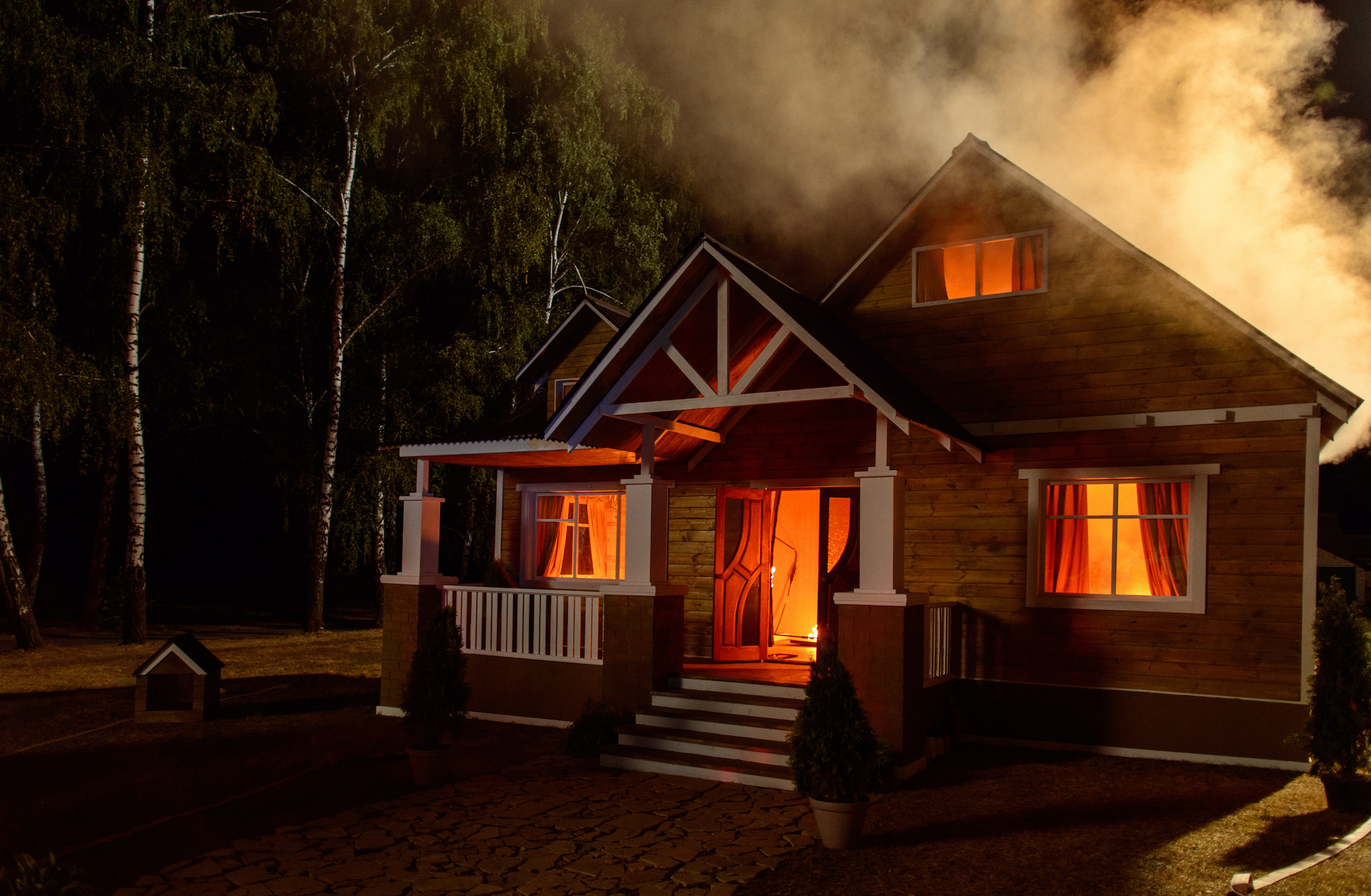
A fire can turn your world upside down. Beyond the physical damage, dealing with your insurance company afterward often makes recovery even harder. In Texas, home and business owners frequently face delayed or denied fire insurance claims despite years of paying premiums.
If your insurance company isn’t playing fair, a Texas fire damage attorney at Pandit Law can step in to protect your rights, manage the claim process, and help you recover the full value of your loss.
What You Need to Know About Fire Damage Claims in Texas
A fire damage claim is a request for compensation from your insurance company to cover losses caused by a fire. Fires can result from many things including electrical issues, heating malfunctions, arson, or wildfires.
Your homeowners policy language will dictate the damages that are covered if a fire occurs. Some policies cover only direct fire damage, while others also cover smoke and water damage. Coverage may extend to roofing, plumbing, electrical systems, structural damage, and melted personal property.
Understanding your fire insurance policy is key to filing a successful claim. Knowing what damages are covered, the limits of liability, and the required documentation helps ensure your claim is handled fairly.
Under Texas law, insurance companies must acknowledge, investigate, and resolve fire damage claims promptly under the Texas Prompt Payment of Claims Act (TPPCA). Generally, insurers have 15 days to acknowledge your claim, 15 days to decide after receiving all required documents, and 15 days to issue payment once the claim is approved.
Property owners typically have up to two years from the date of loss to file a lawsuit if the insurer delays, denies, or underpays the claim. Acting quickly helps protect your rights and keeps your claim within Texas’s strict filing deadlines.

Common Types of Fire Damage in Texas
Texas property owners face a range of fire risks throughout the year.
- Kitchen fires are among the most common, often caused by unattended cooking.
- Electrical fires can result from faulty wiring, overloaded circuits, or old appliances.
- In colder months, heating equipment fires from space heaters or fireplaces are frequent.
- Wildfires threaten many rural and coastal communities during dry, windy conditions.
Understanding what caused the fire can help strengthen your insurance claim and ensure all related damages are covered.
Fires can cause extensive and varied property damage, often affecting both the structure and the contents of a home or business. Common types of fire damage include:
- Flame Damage: Direct burning of structures, walls, and personal property.
- Smoke Damage: Residue and odors that can penetrate furniture, walls, and HVAC systems.
- Soot Damage: Fine particles that can stain surfaces and contaminate belongings.
- Water Damage: Damage caused by firefighting efforts or sprinklers.
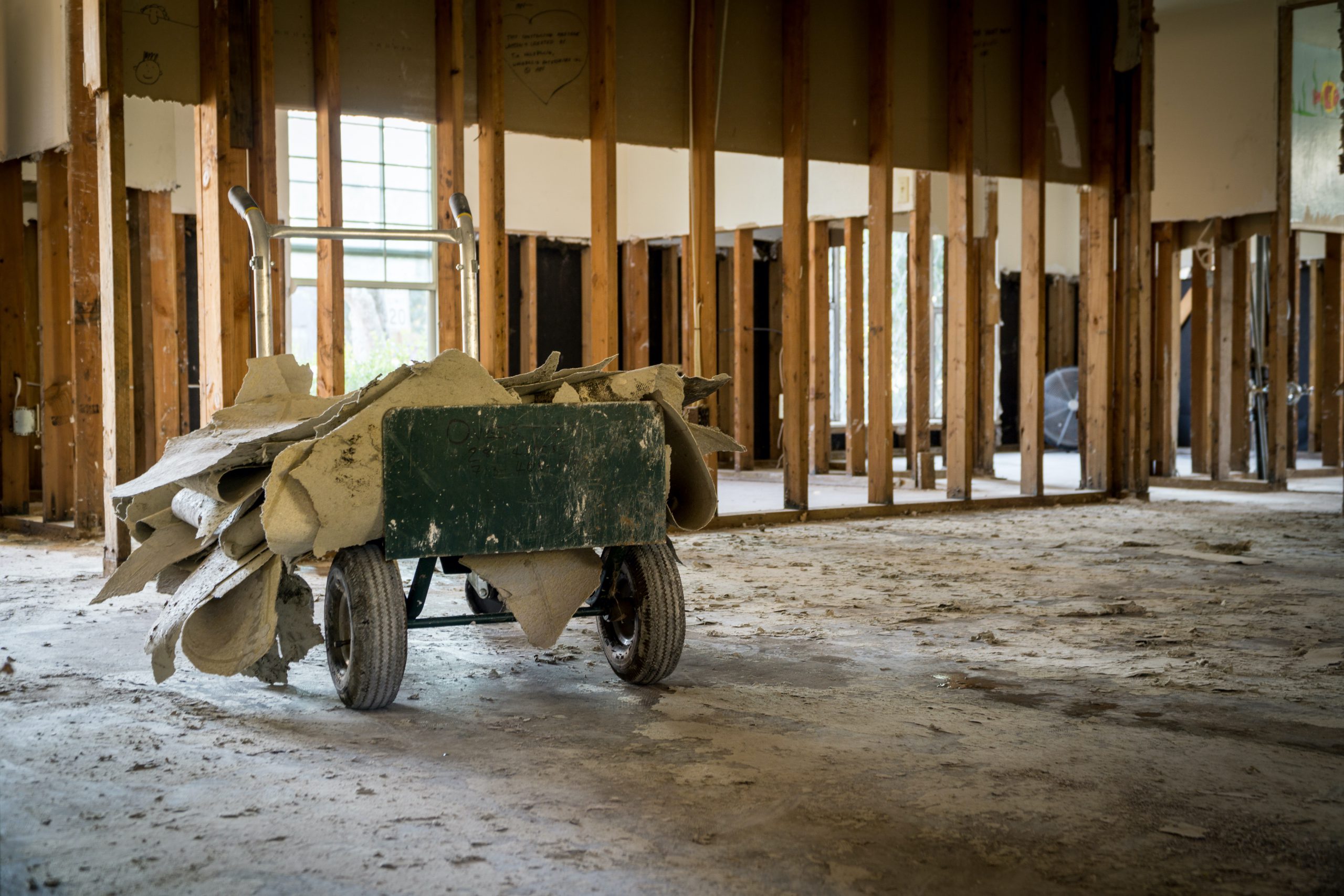
- Mold Damage: Mold growth that can occur after water is used to extinguish flames.
Fire can leave lasting impacts beyond what is immediately visible. A fire loss lawyer can help assess the full scope of damage and ensure your insurance claim accounts for all losses.
Has your insurer delayed or denied your claim? Contact a Texas fire damage attorney at Pandit Law today for a free case evaluation and guidance on your next steps.
Awards and Recognitions





Google Reviews
The Impact of Major Fire in Texas and the Role of a Fire Damage Attorney
Texas experiences thousands of fires every year, causing widespread damage to homes, businesses, and communities. In 2024, fires in Texas led to more than $1,400 million in total losses, while over 5,000 wildfires destroyed nearly 1.3 million acres of land and property. From urban kitchen fires to large-scale wildfires in rural and coastal regions, the threat is constant and devastating.
These numbers highlight why having comprehensive fire insurance coverage and understanding the terms of your policy are so important. Many property owners only discover coverage gaps or confusing exclusions after a disaster strikes. That’s when having an experienced Texas fire damage lawyer becomes essential – to review your policy, handle your insurance claim, and ensure you’re not left paying out of pocket for losses your insurer should cover.
A fire damage attorney at Pandit Law can guide you through the claims process, help document every loss, and hold insurers accountable under Texas law so you can focus on rebuilding your property and your life.
What Does Fire Insurance Cover for Homeowners?
Most homeowners policies cover the home and its contents if a fire happens. Homeowners insurance policies pay out more in fire claims than any other type of loss. Every insurance policy has a different deductible, but most cover similar types of damage.
Your policy should cover the following:
- Your Home: Insurance coverage probably covers fire and smoke damage to the house. Attached structures, such as a garage and patio, should be covered. The insurance company should cover repairs, minus your deductible.
- Your Personal Property: Most homeowners policies cover property damage from fire. Personal property includes clothing, electronics, appliances, and furniture. However, expensive items, such as fine art or jewelry, are not protected. Also, if you have massive amounts of cash in the home, the insurance company will not cover this. But you can buy added coverage for these belongings.
- Your Detached Property: Your homeowners policy should cover property structures that are not attached to the house, such as fences, detached garages, and sheds.
- Loss of Use: This coverage pays for you to live somewhere else while the home is being fixed. Some of the living expenses covered are hotel costs, rent, food, and related costs that you would not have if you were still at home.

Homeowners may also need to file different types of claims depending on how the damage occurred. A fire loss claim covers destruction caused directly by fire or lightning. An explosion loss claim applies when an explosion results from a fire, damaging nearby structures or belongings.
A smoke loss claim covers damage from smoke, including stains, odor, or contamination that affects furniture, walls, and HVAC systems. Filing the correct claim type ensures your insurance company accurately assesses the damage and compensates you fairly.
Ensure your claim covers every eligible loss. The fire insurance claim lawyers at Pandit Law can help you review your policy, handle insurer communications, and recover the full value of your Texas fire damage claim.
Lawyer for First Party Fire Claim and Third Party Fire Claim
Filing a fire damage claim can be confusing, especially when determining whether your losses fall under a first-party or third-party claim. Understanding the difference helps you take the right legal steps to recover full compensation.
First-Party Fire Claims
A first-party fire claim is filed directly against your own insurance company to recover compensation for losses to your home or business. These claims often involve complex policy language, strict deadlines, and detailed documentation requirements. A fire damage insurance claim lawyer in Texas can help review your insurance policy, ensure all covered damages are included, and handle every step of communication with your insurer.
Insurance adjusters may request recorded statements or additional proof of loss, which can sometimes be used to reduce or deny your payout. An experienced attorney helps you navigate these requests carefully, protecting your rights and ensuring you receive fair treatment under your policy.
Third-Party Fire Claims
A third-party fire claim is filed against another party whose negligence or defective product caused the fire, such as a manufacturer, contractor, or landlord. These cases often require in-depth investigations to establish liability. Your attorney may work with fire experts, engineers, and investigators to determine the cause of the fire, gather evidence, and send formal demand letters to the responsible parties. If necessary, your lawyer will litigate to hold them accountable and pursue full compensation for your losses.
Speak with a trusted Texas fire damage attorney to protect your rights, handle insurer disputes, and recover fair compensation today.
How a Fire Damage Attorney Assists with Delayed, Denied, or Underpaid Insurance Claims?
Insurance companies don’t always play fair. They often delay, deny, or underpay fire damage claims – leaving homeowners without the funds needed to rebuild. An experienced Texas fire damage insurance claim lawyer can help you carefully review your policy, evaluate all areas of fire damage, and protect your right to fair compensation.
The attorney examines structural, interior, smoke, electrical, and utility losses, along with secondary damage such as mold or water from firefighting efforts. They also ensure all losses are documented thoroughly and quickly, through photos, videos, and detailed inventories – evidence that can make or break your case.
Under Texas Insurance Code § 542.055, insurers must acknowledge and begin investigating a fire insurance claim within 15 days of receiving notice. If delays continue beyond legal timelines, homeowners may be entitled to interest penalties and attorney fees. Typically, lawsuits for bad faith or underpayment must be filed within two years from the date of denial or delay, so acting quickly helps preserve your rights.
A fire damage attorney at Pandit Law can step in to ensure your claim complies with Texas regulations, your losses are fully documented, and your insurer is held accountable for unnecessary delays or underpayments.
Leveraging the Texas Prompt Payment Act Against Delayed Fire Claims
Insurance companies often stall when it comes to paying large fire and smoke claims. These delays can leave you without the resources you need to rebuild and recover. Under the Texas Prompt Payment Act, insurers must process and pay valid claims within strict timelines – and failure to do so can trigger serious penalties.
Delays in claim payment usually happen because insurers:
- Demand excessive documentation or repeated proofs of loss.
- Dispute whether damage came from fire, smoke, or firefighting water.
- Undervalue hidden smoke or soot damage.
- Slow-walk investigations to avoid a quick payout.
While insurers delay, you’re left dealing with structural damage, personal property loss, and mounting living expenses. A fire damage attorney can push back by:
- Gathering evidence of fire, smoke, and water damage.
- Working with experts to document hidden damage.
- Filing appeals and applying legal pressure under the Texas Prompt Payment Act.
- Holding insurers accountable for unnecessary delays.
If your insurance company misses the legal deadlines, you may be entitled to an 18% statutory interest penalty plus reasonable attorney fees. With skilled legal representation, you can demand timely payment, recover additional compensation for delays, and move forward with rebuilding your home and life.
Fighting Unreasonable Denials Fire Claims
Insurance companies may attempt to minimize payouts on claims. However, they must have a good reason to deny your request. If the insurer rejects your claim unfairly, you may have legal remedies.
One of the worst things your fire insurance company can do after the incident is to falsely accuse you of starting the fire. They may use scare tactics such as sending in a ‘special investigative unit’ to interview you. Or, they may have their lawyers examine you under oath. These are intimidation measures to encourage the homeowner to give up and not pursue the claim.
Many fire losses mean a huge payout by the insurance company, and sometimes they will engage in various games to avoid paying.
Some of the unfair reasons insurance companies deny fire claims include:
- Damaged property is undervalued.
- Arson is alleged.
- Claim not investigated promptly.
- Denial of total loss even though you have supporting evidence.
- Prosecution threats to the insured to try to lower the payout.
- Violation of policy language.
- The insurance company may delay payment or valuation of a claim, alleging that fraud or arson may have occurred. If arson caused the fire, then the request can be denied. However, the insurance company must prove arson caused the blaze. It is not your responsibility to prove you did not commit arson. Without strong evidence, a fire insurance company that denies your claim could be acting in bad faith.
Also, fire damage to your home is not covered if it was vacant at the time. A vacancy has a different definition in each insurance policy. Generally, the house is empty for insurance purposes if it has had no one living in it for more than 30 days in a row. But you can still protect a vacant home if you buy special coverage.
Challenging Lowball Offers and Unfair Depreciation in Fire Claim
Another common tactic insurance companies use is undervaluing losses. An underpaid fire damage claim leaves homeowners struggling to cover the true cost of repairs and replacements.
Insurers often minimize damage by:
- Offering low estimates for structural repairs.
- Downplaying the cost of smoke remediation.
- Ignoring hidden soot damage in walls, vents, or furniture.
- Excluding water or mold damage caused during firefighting efforts.
These tactics shift financial burdens onto you instead of paying what your policy promises.
A fire property damage lawyer steps in to uncover the full extent of your losses. They work with contractors, smoke remediation experts, and engineers to document all damage – even what insurers try to overlook. With solid evidence, your lawyer can challenge lowball offers and fight for the compensation you truly need.
If your claim has been underpaid, legal help ensures the insurance company is held accountable and you recover the full benefits you’re entitled to.
Bad Faith Insurance Practices in Texas Fire Claims
After a devastating fire, Texas homeowners expect their insurance company to honor its promises. Unfortunately, some insurers act in bad faith – delaying, underpaying, or outright denying valid claims. Recognizing these unfair practices is crucial to protecting your rights and recovering what you’re owed.
Bad faith occurs when an insurer fails to handle your claim honestly or fairly. In Texas, there are two types of bad-faith claims:
- Statutory Bad Faith: Governed by the Texas Insurance Code, this applies when an insurer knowingly engages in unfair or deceptive practices – such as delaying payment, misrepresenting policy terms, or refusing to settle without a reasonable basis.
- Common Law Bad Faith: Arises when the insurer breaches its duty of good faith and fair dealing, such as by denying a claim without proper investigation or using intimidation tactics to discourage you from pursuing compensation.
Understanding these protections under Texas Insurance Code Chapters 541 and 542 helps policyholders recognize when their rights are being violated and how legal action can hold insurers accountable.
Identifying Bad Faith in Fire Claims Under Texas Law
Bad faith practices can be subtle, but there are red flags to watch for:
- Unreasonable delays in processing your claim.
- Offering lowball settlements that don’t cover real losses.
- Misrepresenting policy terms or exclusions.
- Failing to investigate damages properly.
- Poor communication or ignoring your inquiries.
If you notice these signs, a Texas fire damage lawyer can help investigate and determine whether your insurer is acting in bad faith.
How Fire Damage Attorneys Help with Bad Faith Insurance Claims?
A Texas fire damage attorney can step in to protect your rights when your insurer fails to act fairly. They gather evidence, identify bad-faith behavior, and apply legal pressure to secure the compensation you deserve.
With skilled legal representation, you can level the playing field, challenge wrongful insurer tactics, and ensure your fire damage claim is handled with honesty and accountability.
Why Choose Pandit Law: Your Experienced Partner for Fire Claims in Texas
When you’re facing the aftermath of a fire, the right legal team can make all the difference. Homeowners and business owners across Texas trust Pandit Law to stand up to insurance companies, demand accountability, and pursue full and fair compensation.
Here’s why property owners turn to Pandit Law:
- Experienced in Fire Damage Claims: Decades of experience navigating complex fire insurance disputes across Texas.
- Proven Track Record of Success: Consistently recovering maximum compensation for homeowners and businesses.
- Aggressive Advocate Against Bad Faith: Holding insurers accountable for delays, denials, and underpayments.
- Personalized Case Evaluation: Every claim is reviewed carefully to develop a customized legal strategy.
- Texas-Based Knowledge, National Expertise: Deep understanding of Texas insurance law, including the Prompt Payment Act and bad-faith statutes.
Speak with a trusted fire damage insurance claim lawyer in – schedule your free case review with Pandit Law today.
FAQs on Fire Damage Claims in Texas
Should I get a lawyer after a house fire in Texas?
Yes. A Texas fire damage attorney can help you navigate complex insurance procedures, assess the full scope of your losses, and handle communication with your insurer. Many claims are delayed, denied, or underpaid because policyholders unknowingly miss deadlines or documentation requirements. Having an attorney ensures your rights are protected and you pursue the maximum compensation allowed under your policy and Texas law.
When should I file my fire insurance claim?
You should file your fire insurance claim as soon as possible after the incident. In Texas, insurers are required to acknowledge receipt of your claim within 15 days under the Texas Insurance Code § 542.055. Quick filing helps preserve evidence and accelerates your recovery process. If your insurer delays beyond legal timelines, your attorney can invoke the Texas Prompt Payment Act to demand timely action and possible interest penalties.
Can I sue my neighbor for fire damages?
Yes, but only if your neighbor’s negligence or actions directly caused the fire. For example, if a neighbor’s unattended grill, electrical work, or fireworks caused the blaze, you may file a third-party fire damage claim or lawsuit to recover repair costs and other losses. A fire damage insurance claim lawyer in Texas can investigate the cause, work with fire experts, and hold responsible parties accountable.
What is fire damage legal liability?
Fire damage legal liability refers to your responsibility for damages caused by a fire you accidentally start that spreads to someone else’s property. Most homeowner and renter insurance policies include coverage for accidental fire damage to others’ property. However, insurers may dispute coverage if negligence is alleged. An experienced Texas fire damage lawyer can help clarify your policy terms and protect you against unfair claims or denials.
Why was my claim assigned to a Special Investigation Unit (SIU)? What does this mean?
If your fire insurance claim is assigned to a Special Investigation Unit (SIU), it means the insurer suspects potential fraud, arson, or policy misrepresentation. While this doesn’t mean you’ve done anything wrong, it’s critical to proceed carefully. Your Texas fire damage attorney can help you prepare for recorded statements, submit documentation properly, and ensure your rights are not violated during the investigation.
Contact a Fire Insurance Lawyer in Texas
Recovering from a fire is overwhelming, and dealing with an uncooperative insurance company only adds to the stress. You deserve fair compensation to rebuild your home, replace what was lost, and move forward.
If your insurer is delaying, denying, or underpaying your claim, Texas fire damage insurance claim lawyers at Pandit Law can step in and fight for you. We offer free fire claim evaluations, so contact our fire damage lawyers today to get started.
Pandit Law
25722 Kingsland Blvd Suite 103-A,
Katy, TX 77494
Office visits by appointment only
Call at: (504) 323-1057