
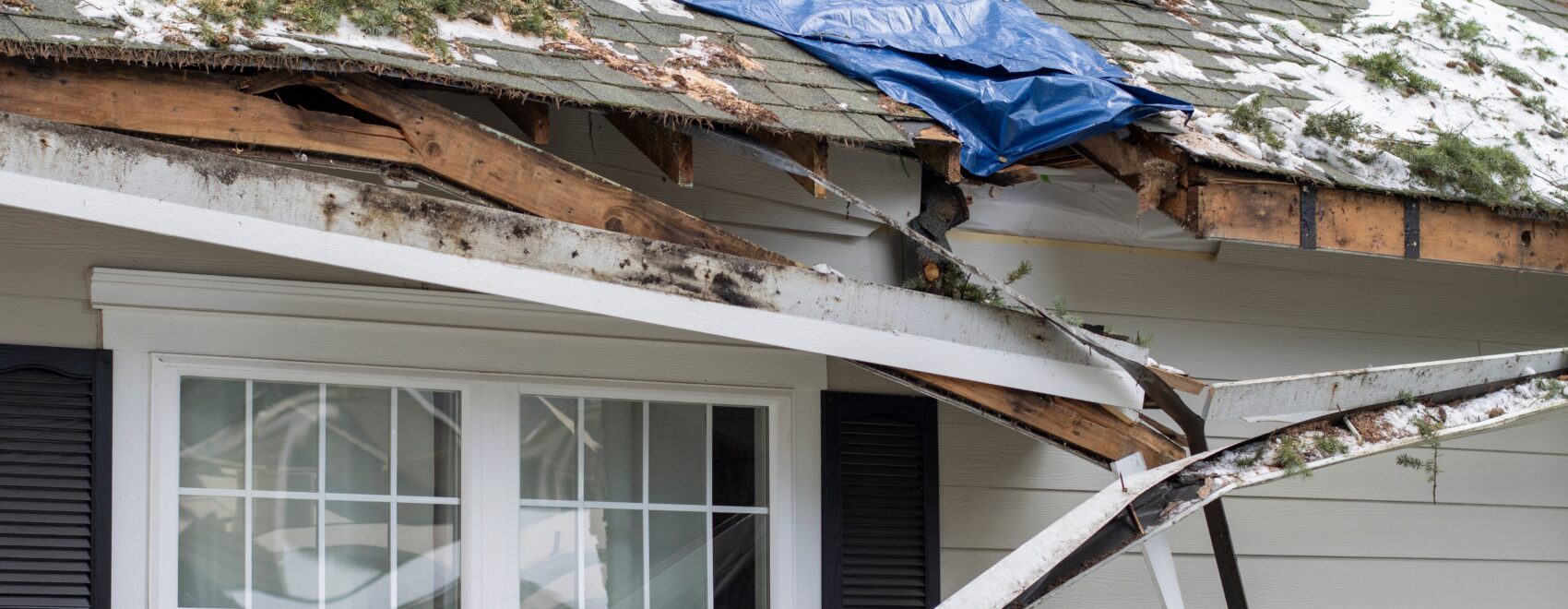
When strong winds blow through your neighborhood, they can leave behind a trail of destruction. Your home, which should be a haven, might have broken windows, damaged roofs, or fallen trees crushing your property. It can be a stressful situation, but there are steps you can take to get things back to normal.
This guide will walk you through how to navigate a wind damage insurance claim, what to expect during the process, and how informed decisions can help protect your financial recovery. It also outlines why working with a wind damage lawyer can help you address challenges that often arise during wind damage claims.
Understanding Wind Damage Insurance Coverage: Policy Terms, Limits, and Deductibles

Wind can cause all sorts of problems for your home and belongings. It might tear off shingles from your roof, send tree branches crashing through windows, or knock over fences. Sometimes, the damage is easy to spot, like a hole in your roof. Other times, it’s harder to see, like small cracks that can let water seep in later.
No matter what kind of wind damage you’re dealing with, taking action quickly is important. The sooner you start a wind damage claim, the sooner you can begin repairs and get back to normal.
Understanding Your Insurance Policy
Insurance policies can be confusing. They’re full of legal terms that most people don’t use daily. But understanding your policy is critical when you’re filing a claim.
Your homeowner’s insurance policy should cover many types of wind-related damage, but there may be exceptions or limits. For example, some policies have a separate deductible for wind damage, meaning you may have to pay more out of pocket before insurance kicks in.
In many policies, wind damage is typically covered when it results from sudden events such as storms, gusts, or fallen debris. This often includes roof damage, siding loss, broken windows, and interior water damage caused by wind-created openings.
However, insurers frequently exclude or limit coverage for:
- Damage linked to a lack of maintenance or pre-existing wear and tear
- Flooding that occurs after the storm, which may require separate flood coverage
- Gradual damage that worsens over time instead of resulting from a single wind event
Coverage may also be limited when policyholders delay reporting damage or fail to take reasonable steps to prevent further loss.
A property damage lawyer can help interpret what your policy says, explain unclear provisions, and help ensure the claim reflects the full scope of covered losses.
Understanding Policy Limits and Deductibles
Every insurance policy has limits, the maximum amount the insurance company will pay for a claim. It’s important to understand these limits when filing a wind damage claim.
Policy limits act as a financial cap on your recovery. Even if repair costs exceed that amount, the insurer generally will not pay beyond the stated coverage limit unless additional coverage applies.
You’ll also need to consider your deductible. This is the amount you have to pay out of pocket before your insurance coverage kicks in. Some policies have separate, higher deductibles for wind damage.
For example:
- A standard homeowner’s deductible may be a fixed amount, such as $1,000 or $2,500.
- A wind or hurricane deductible is often calculated as a percentage of the home’s insured value, such as 2% to 5%.
- On a $300,000 home, a 3% wind deductible could mean paying $9,000 before insurance contributes.
Higher deductibles can significantly reduce the amount you ultimately receive because they shift more of the repair cost to the policyholder before coverage begins.
A lawyer can explain how these factors impact your claim and explore options if damages exceed policy limits, including negotiating with insurers or exploring other available remedies.
Filing Insurance Claim for Wind Damage: Step-by-Step Guide
Filing an insurance claim for wind damage can feel overwhelming, especially when you are already dealing with repairs and disruption to your daily life. Taking a structured approach helps you avoid common mistakes, preserve evidence, and move your claim forward more efficiently. The steps below outline what homeowners should expect when filing an insurance claim for wind damage and how to protect the value of their loss.
Step 1: Assess Wind Damage and Protect Your Property
Start by identifying both visible and less obvious damage. High winds can cause structural issues that are not immediately noticeable but may worsen over time.
- Look for visible problems such as missing shingles, broken windows, damaged siding, or fallen debris.
- Check for hidden damage, including leaks, cracks, or water intrusion that may appear days later.
- Address safety risks right away, especially exposed wiring, unstable structures, or glass hazards.
- Take reasonable steps to prevent further loss, such as covering openings with tarps or securing damaged areas.
Acting quickly helps reduce additional damage while supporting your insurance claim.
Step 2: Document All Wind Damage
Thorough documentation is one of the most important parts of filing an insurance claim for wind damage. Clear evidence helps establish what happened and the extent of your losses.
- Take photos of all damage before making permanent repairs.
- Record videos from multiple angles to capture the full scope of the impact.
- Create a written inventory of damaged property and structural issues.
- Save receipts for temporary repairs or emergency services.
Detailed records can help prevent disputes later in the claims process.
Step 3: Contact Your Insurance Company and File the Claim

Once you’ve checked out the damage, it’s time to let your insurance company know what happened. You’ll want to call them as soon as possible after the wind damage occurs. They’ll ask you some questions about what happened and what got damaged.
The insurance company will then send an adjuster to inspect your property. Their job is to determine how much the insurance company should pay for the repairs.
Here’s where things can get tricky. The insurance company will evaluate the claim based on its own assessment, which may differ from your understanding of the damage. This is one reason why having a property damage lawyer on your side can be helpful.
Step 4: Damage Evaluation

Figuring out how much your claim is worth isn’t always easy. It’s not just about the cost of immediate repairs. You might also need to consider the cost of temporary housing (if your home is unlivable), lost personal property, any injuries related to wind damage, and long-term effects on your property value.
A property damage attorney will consider all these factors and work with professionals like contractors or appraisers to understand the full scope of damages. They will assess both visible and hidden damage, including the cost of repairs, loss of value, and any additional expenses tied to the storm.
Remember, the goal is to restore your property as closely as possible to its pre-loss condition, not just address the visible damage. The aim is to ensure that you recover fully, including any emotional or financial impacts caused by the incident.
Step 5: Keep a Detailed Record of All Communication
Continue maintaining organized records throughout the claim process. Save all your communications with the insurance company, including emails and notes from phone calls. Keep receipts for any expenses related to the wind damage, like temporary repairs or hotel stays.
Good documentation can make a huge difference if disputes arise down the line. A property damage lawyer can help identify the most important records and show you how to organize them effectively.
Step 6: Get Independent Estimates
Before agreeing to any settlement, consider obtaining estimates from multiple licensed contractors. Independent quotes help you understand the true cost of repairs and provide a comparison point against the insurer’s assessment. Multiple evaluations can also reveal overlooked damage or underestimated work.
This step helps ensure the scope of repairs reflects real-world construction costs.
Step 7: Settlement Offer Review and Negotiation
Insurance companies often begin with an initial offer based on their adjuster’s findings. That first number may not reflect the full cost of restoring your property.
- Carefully review the offer to confirm it includes all covered damage.
- Question amounts that seem lower than contractor estimates.
- Negotiate when repair costs, materials, or scope appear undervalued.
Legal guidance at this stage can strengthen your position if disagreements arise. A thoughtful review makes sure you do not accept less than what is needed to complete repairs properly.
Step 8: Call a Lawyer
If your claim becomes delayed, underpaid, or disputed, it may be time to involve a lawyer experienced in wind damage claims. An attorney can interpret policy language, explain your rights, and streamline communication with the insurer. Representation often helps move stalled claims toward resolution.
Seeking guidance does not mean escalating conflict. It can ensure the process stays fair and focused on documented losses.
Challenges Homeowners Face When Filing Wind Damage Insurance Claims
Even when you follow the right steps, an insurance claim for wind damage can involve unexpected complications. Coverage questions, delays, and disputes often arise during the process, especially after major storms affecting large areas.
Managing Multiple Insurance Policies: When Coverage Overlaps or Conflicts
Sometimes, wind damage situations can involve multiple insurance policies. For example, if you’re a renter, both your renter’s insurance and your landlord’s property insurance might come into play.
If the wind damage resulted from a larger weather event, such as a hurricane, you might need to manage both your standard homeowner’s insurance and a separate wind insurance policy.
Navigating multiple policies can get confusing fast. Each policy might cover different things or have different requirements for filing claims. A property damage lawyer can explain how these policies work together and help you pursue the available benefits under each policy.
Liability Risks: When Wind Damage Affects Neighboring Property or Others
Sometimes, wind damage can cause problems beyond just your property. For example, if a tree from your yard falls on your neighbor’s house during a windstorm, you might be worried about liability.
This is where liability insurance comes in. This type of insurance protects you if you’re found responsible for damage to someone else’s property or if someone gets hurt on your property.
If you’re dealing with liability issues related to wind damage, having a lawyer on your side is important. They can clarify your rights and responsibilities and help protect your interests while the claim moves forward.
Delays in the Claims Process: When Insurance Takes Too Long to Pay
Filing a wind damage claim and completing repairs can take longer than expected. It’s not unusual for the process to take several months, especially if there’s widespread damage or disagreements about the loss.
Here’s a rough idea of what you might expect:
- First, you file your claim as soon as possible after the damage occurs.
- Then, the insurance company sends an adjuster to assess the damage. This usually happens within a few days to a week.
- After that, you receive an initial offer from the insurance company. This can take a few weeks.
- If you don’t agree with the offer, negotiations begin. This can take weeks or even months.
- Once a settlement is reached, repairs can start. How long this takes depends on the extent of the damage.
It’s important to understand that the timeline can vary depending on inspections, documentation, and whether disagreements arise during evaluation. Having a lawyer can often speed up this process. They know how to keep things moving and can push back if the insurance company is dragging its feet.
Partial Damage Disputes: When Insurers Push Repairs Instead of Full Replacement
Sometimes, wind doesn’t destroy something but damages it enough to require replacement. For example, a windstorm might damage just part of your roof or siding.
In these cases, insurance companies sometimes try to only pay for patching the damaged area, even if this will leave your home looking mismatched or less protected. A property damage lawyer can advocate for full replacement when warranted and ensure your home gets restored to its pre-damage condition.
Claim Denials: When Insurance Says “No” Even When Coverage Exists

Sometimes, insurance companies deny claims even when they should be covered. This can happen for all sorts of reasons. They may believe something other than wind caused the damage. Or they might argue you didn’t file the claim quickly enough.
If your claim gets denied, you still have options. A property damage attorney can review the denial, explain the reasoning, and challenge the decisions that do not align with the policy.
Remember, insurance companies are businesses, and disputes over coverage can occur. A lawyer can level the playing field and ensure you receive fair treatment.
Low Settlement Offers: The Challenge of Negotiating Fair Compensation
Disagreements about repair values are common, even when a claim is approved. This is where negotiation becomes necessary.
Negotiating with an insurance company can be difficult. They have years of experience handling wind damage claims and may employ tactics to minimize your payout. A property damage lawyer familiar with these tactics can counter the insurance company’s arguments with supporting documentation, independent assessments, and a clear explanation of the loss.
This process can support a settlement that aligns more closely with the actual cost of repairs and recovery specific to your situation.
Bad Faith Insurance Practices: When Insurers Delay, Undervalue, or Mislead
Sometimes, insurance companies don’t just make honest mistakes. They may act in what’s known as “bad faith,” meaning they fail to treat policyholders fairly or respond appropriately to a legitimate claim.
Examples of bad faith include denying a claim without explanation, taking too long to respond, offering far less than the documented damage, or misrepresenting what the policy covers. If you suspect this type of conduct during your insurance claim for wind damage, speaking with a lawyer can help you understand your options.
Bad faith practices are against the law, and you can take legal action against the insurance company. A property damage attorney can evaluate the situation and hold the insurance company accountable, and potentially secure additional compensation beyond just the cost of repairs available under the law.
Financial and Legal Obstacles That Can Reduce Your Wind Damage Compensation
Even after an insurance claim for wind damage is approved, certain policy provisions and dispute-resolution processes can affect how much you ultimately recover. Understanding these factors can help you avoid surprises during settlement.
Depreciation Reductions: When Insurance Pays Less for Older Property
When calculating the amount to pay for damaged items, insurance companies often consider depreciation, the decrease in value of items over time due to age and wear.
This can result in you receiving less money than you need to replace your damaged belongings. Some policies offer “replacement cost” coverage, which pays the full cost to replace items regardless of depreciation.
A property damage lawyer can explain how depreciation affects your claim, help you understand whether the insurer’s calculations align with your policy terms, and advocate for fair compensation.
Settlement Disputes: Navigating Mediation and Arbitration When Claims Stall
You might hear about options like mediation or arbitration if you and the insurance company can’t agree on a settlement. These are ways of resolving disputes without going to court.
In mediation, a neutral third party helps you and the insurance company reach an agreement. The mediator doesn’t make any decisions but works to facilitate productive discussions.
Arbitration is more formal. An arbitrator (or sometimes a panel of arbitrators) hears both sides and then issues a decision. Depending on the terms of your insurance policy, this decision may be binding.
Both mediation and arbitration can be useful tools for resolving disputes during an insurance claim for wind damage, but they can also be tricky to navigate. A property damage lawyer can explain these processes, help you prepare, and represent your interests effectively.
Tips for Wind Damage Insurance Claims
Taking the right approach early can make a meaningful difference in how smoothly your insurance claim for wind damage progresses. These practical tips can help you avoid common setbacks and protect the value of your claim:
- Act quickly after the storm to report the damage, as delays can raise questions or slow the review process.
- Avoid making permanent repairs until the insurer has inspected the property, unless immediate action is necessary to prevent further damage.
- Protect your home with temporary measures, such as tarping or boarding exposed areas, to reduce additional loss.
- Do not accept the first settlement offer without carefully reviewing the scope of repairs and estimated costs.
- Obtain estimates from multiple licensed contractors to better understand the true cost of restoration.
- Keep copies of all claim-related documents, including emails, letters, receipts, and inspection reports.
- Track deadlines, response requirements, and policy time limits to ensure you meet all obligations under your coverage.
These steps help keep the process organized, support your position during review, and keep the claims process moving forward.
How a Wind Damage Attorney Can Help
You might be wondering whether you need legal guidance during this process. Legal guidance can be helpful when questions arise about coverage, documentation, or settlement evaluations.
A wind damage attorney can assist by:
- Reviewing and interpreting insurance policy terms to clarify what is covered and how provisions apply to your situation.
- Helping ensure all eligible damage is identified and included in the claim, including structural issues, interior damage, and related losses.
- Guiding you on how to deal with insurance adjusters during inspections, evaluations, and follow-up requests.
- Challenging denied or underpaid claims by requesting reconsideration or presenting additional supporting evidence.
- Communicating and negotiating with insurance representatives to address disputes over scope, valuation, or repair methods.
- Addressing potential bad faith insurance practices, such as unreasonable delays or misrepresentation of coverage.
- Working to pursue compensation consistent with the policy terms and documented losses.
- Reducing stress by managing paperwork, deadlines, and insurer communications on your behalf.
- Applying state-specific insurance laws in Louisiana and Texas that may affect claim handling and timelines.
- Assisting with high-value losses or complex situations involving multiple policies or large-scale storm damage.
Having experienced legal guidance can bring structure to the process while you focus on repairing your property and moving forward.
Conclusion
If you’re dealing with wind damage to your property, consider speaking with a wind damage lawyer about your situation. They can review your case, explain your options, and guide you through the next steps in the claim process. With a lawyer on your side, you can understand your rights, confidently navigate the challenges involved in a wind damage claim, and work towards putting this difficult experience behind you.
Schedule your free claim evaluation to discuss your wind damage claim and learn what options may be available to you.
Frequently Asked Questions
Wind damage typically includes harm caused by strong gusts, storms, or severe weather that directly impacts your property. This may involve roof damage, broken windows, fallen trees, damaged siding, or water intrusion resulting from wind-created openings. Coverage depends on your policy terms and the cause of loss.
The length of a claim can vary depending on the severity of the damage, the documentation provided, and how smoothly the review process progresses. Factors such as inspections, additional information requests, or disagreements over repair costs can influence how long it takes to reach a resolution.
Start by ensuring everyone’s safety, then document the damage with photos and videos. Take reasonable temporary steps to prevent further loss, such as covering exposed areas. Report the damage to your insurer promptly and keep records of all repairs, expenses, and communications related to the claim.
Yes, wind damage can sometimes affect neighboring property. For example, a fallen tree or debris may damage another home or vehicle. Liability depends on factors such as property maintenance and local laws. Insurance policies often include liability coverage, but situations may require careful review.
Common mistakes include delaying the claim, making permanent repairs before inspection, failing to document damage thoroughly, accepting the first settlement too quickly, or overlooking policy deadlines. Staying organized, acting promptly, and understanding your coverage can help prevent complications during the claims process.