
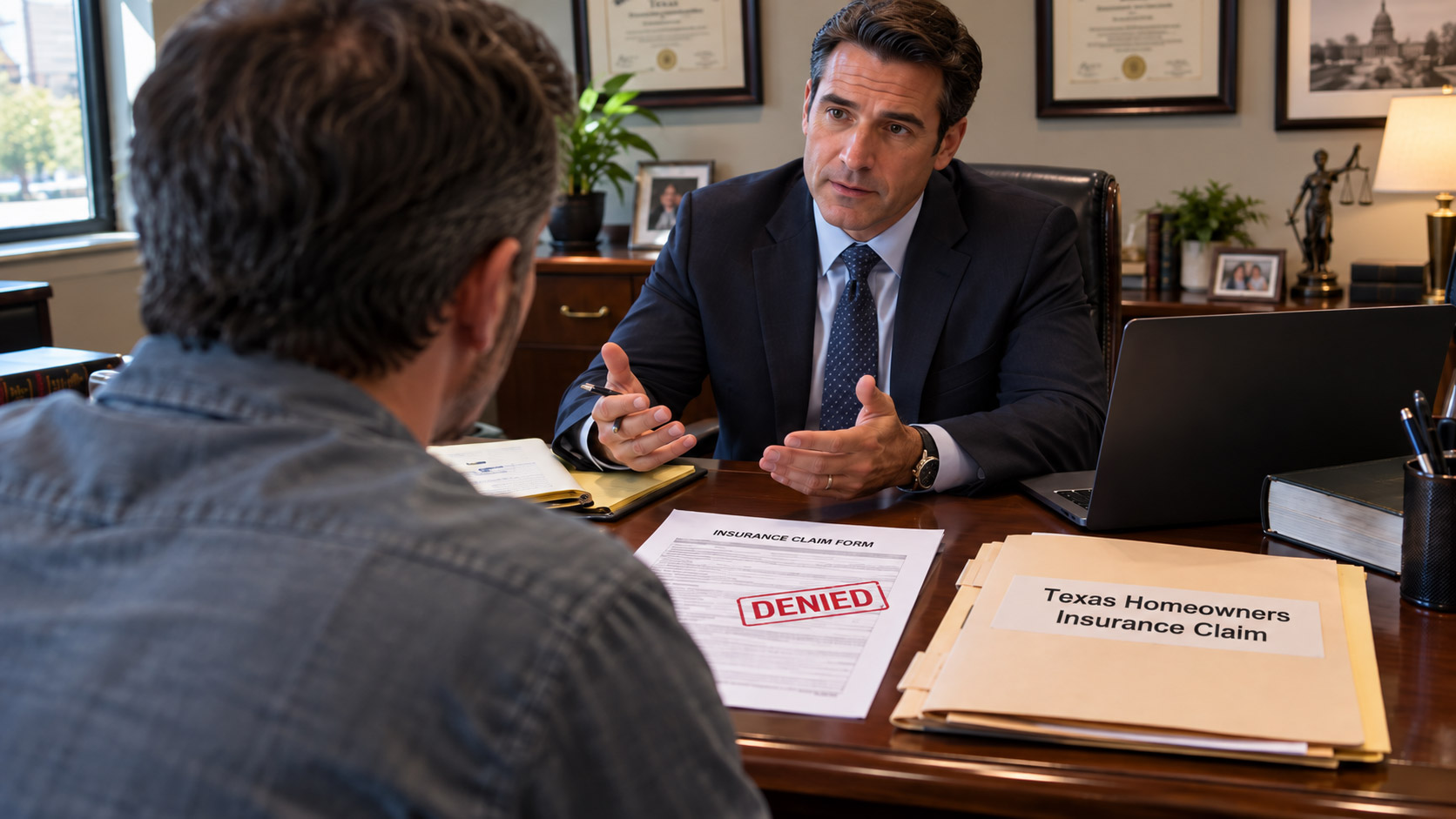
Texas Insurance Claim Denied Attorney
Helping Texas Property Owners Challenge Denied Insurance Claims
Property damage can leave Texas homeowners and business owners facing significant repair needs, particularly after severe weather or other covered events. The Texas Department of Insurance reports that wind and hail have accounted for an average of 62% of homeowners losses since 2019, highlighting the scale of property insurance losses across the state.
If your insurer denies your claim, that decision is not necessarily the final word. The denial can be reviewed against your policy terms, the reason given by the insurer, and the evidence documenting your property damage.
Pandit Law reviews the policy, denial letter, and supporting damage evidence to assess whether the denial may be challenged. If you need a lawyer for a denied insurance claim in Texas, contact Pandit Law for a Free Claim Evaluation.
2,500+
homeowner insurance claimants helped and counting
11+
years of proven experience in property damage claims
4.9★
Google rating earned from satisfied clients
Types of Texas Denied Property Damage Insurance Claims We Handle
Pandit Law represents Texas homeowners and business owners facing denied property insurance claims involving many types of property damage. From storm losses to fire and plumbing damage, we review the circumstances behind the denial and the coverage available under the policy.
We assist property owners in Houston, Dallas, San Antonio, Austin, and other Texas communities with denied claims involving:
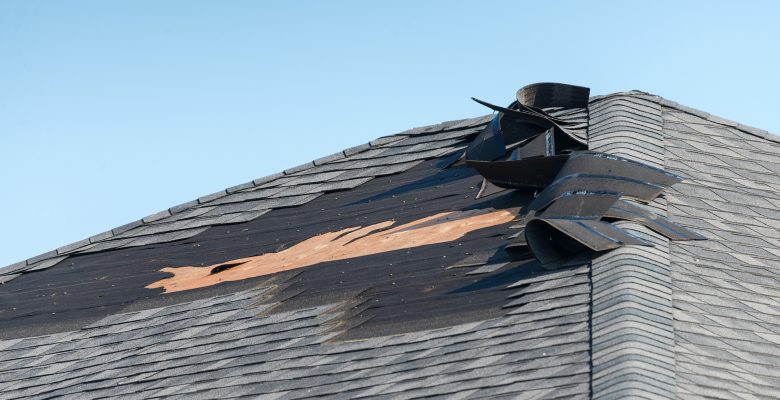
Wind Damage: Denied claims involving roof, siding, and other property damage caused by high winds.

Fire Damage: Claims denied over disputes involving fire, smoke, soot, or resulting structural damage.

Hail Damage: Denials involving roof impacts, exterior damage, or disputed hail-related losses.
Tornado Damage: Claims involving widespread property damage following tornadoes and severe wind events.
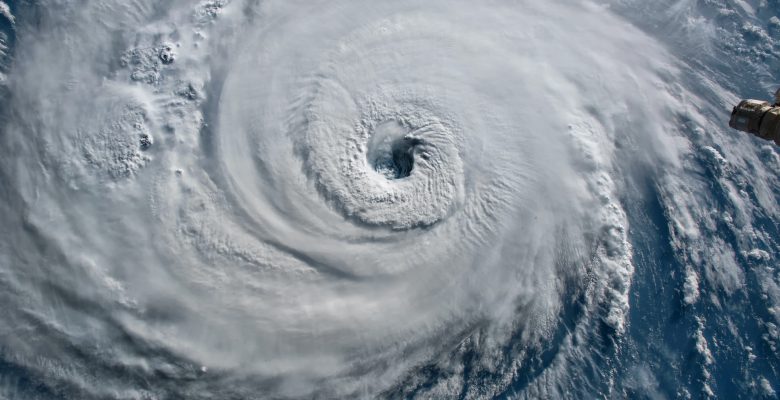
Hurricane Damage: Denied claims involving storm-related structural, roof, and interior damage.
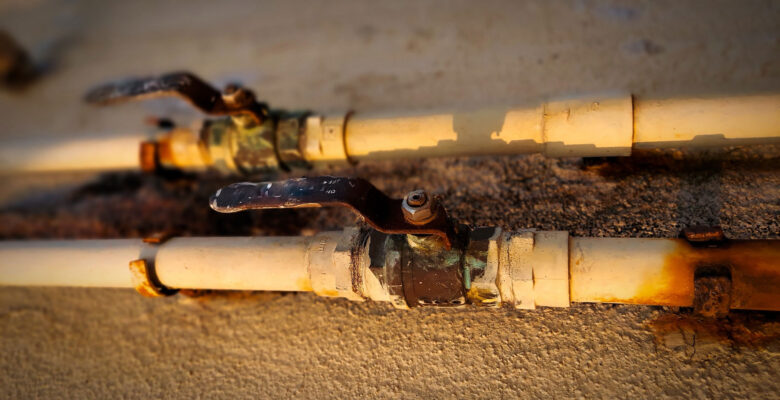
Cast Iron Pipe Damage: Claims disputed over plumbing failures, corrosion, or the cause of resulting property damage.
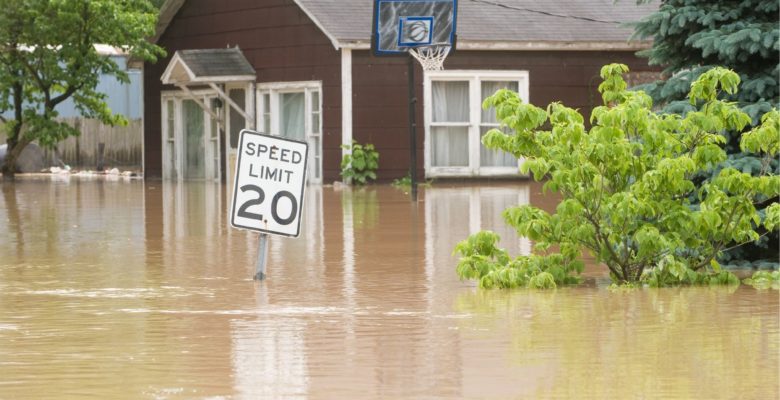
Flood Damage: Denials involving covered flood-related property losses under the applicable policy.
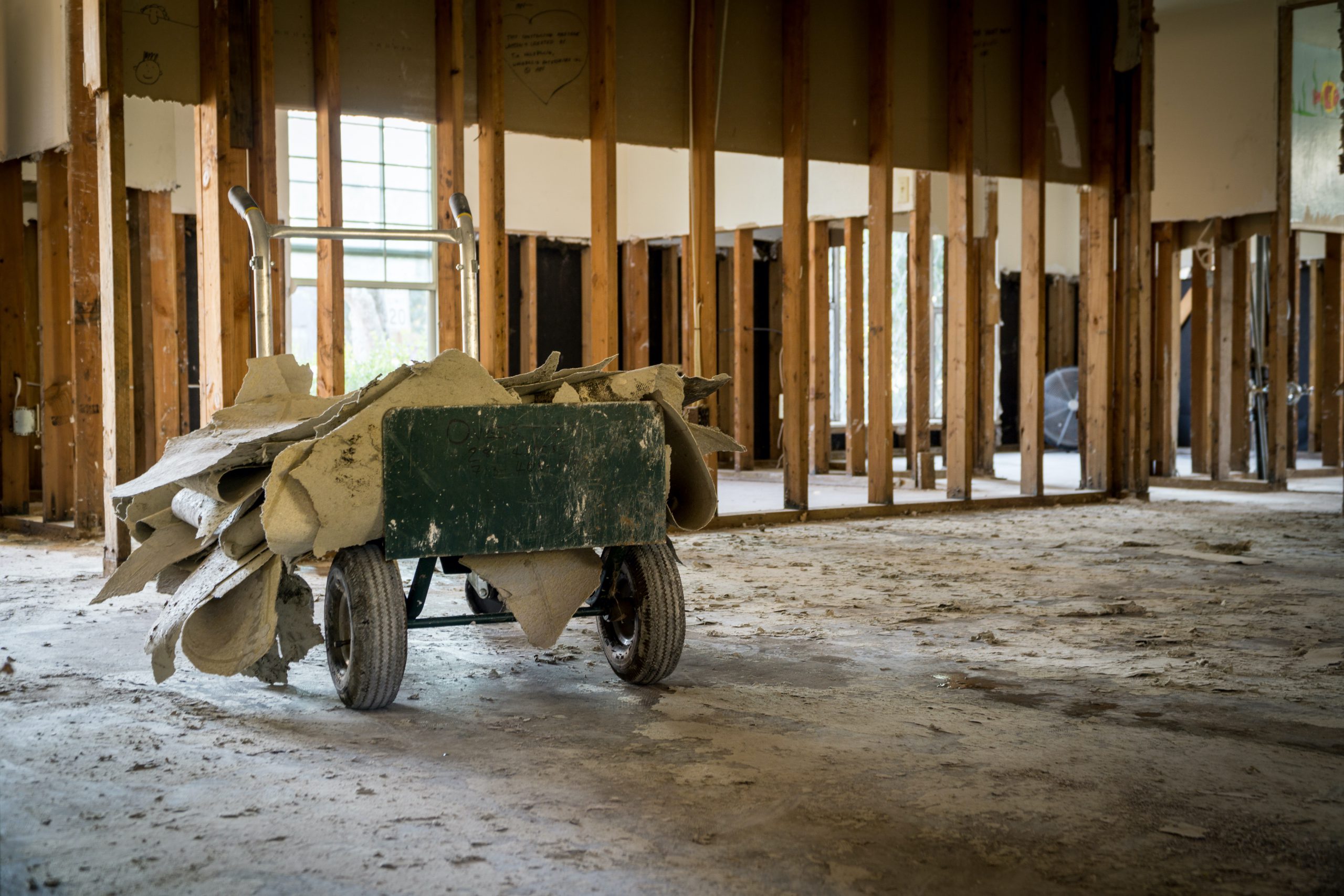
Water Damage: Claims denied over burst pipes, sudden leaks, appliance failures, or resulting damage.

Bad Faith Claims: Disputes involving potentially improper claim handling, including unreasonable denials or delays.

Business Interruption: Claims involving denied coverage for income losses following covered property damage.
Your Texas property damage claim was denied. Don’t accept the insurer’s decision without a review. Let our attorneys assess your claim and help you understand your options.
Awards and Recognitions






Google Reviews
What to Do Immediately After Your Texas Insurance Claim Is Denied
A denied insurance claim can be frustrating, but you may still have options. Taking a few practical steps can help preserve important information and clarify whether the denial can be challenged.
- Review the Denial Letter: Identify the specific reason your insurer gave for denying the claim and note any policy provisions it cites.
- Request a Written Explanation: If the reason is unclear, ask the insurer to provide the basis for its decision in writing.
- Review the Policy: Check the relevant coverage, exclusions, conditions, and endorsements that may affect your claim.
- Document the Damage: Take photographs and keep detailed records of the property damage and its condition.
- Gather Evidence: Collect estimates, receipts, inspection reports, repair records, and other documents supporting your claim.
- Keep Communication Records: Save emails, letters, claim notes, and other communications with the insurer.
- Request Reconsideration: Additional evidence may support a request for the insurer to review its decision.
- Consult a Texas Property Damage Lawyer: An attorney can review the denial, policy language, and claim documentation to discuss potential options.
A denial does not necessarily end your claim. Reviewing the decision carefully can help you determine what to do next.
Why Do Insurance Companies Deny Property Damage Claims?
Insurance companies may deny property damage claims for different reasons, depending on the policy language, reported loss, and information available during the claim review. Common reasons for claim denial include:
- The Damage Is Not Covered: The insurer determines that the policy does not cover the reported loss.
- The Damage Was Pre-Existing: The insurer attributes the condition to damage that existed before the reported event.
- The Cause Is Disputed: The insurer disagrees about what caused the property damage.
- An Exclusion Applies: A policy exclusion may limit or remove coverage for the reported loss.
- The Damage Falls Below the Deductible: The insurer determines that the covered damage does not exceed the applicable deductible.
- The Extent of Damage Is Disputed: The insurer disagrees with the scope or cost of the claimed damage.
- Policy Requirements Were Not Met: The insurer alleges that a policy condition was not satisfied.
- Supporting Evidence Is Insufficient: The insurer determines that the documentation does not establish the claimed loss.
- The Claim Was Reported Too Late: The insurer alleges that the policy’s reporting requirements were not followed.

A denied insurance claim lawyer in Texas can review the policy, denial basis, and claim circumstances to identify potential ways to challenge the decision.
Think your claim was wrongfully denied? Talk to a Texas insurance claim lawyer about your denial and find out what you can do next.
What Options Do You Have After a Texas Insurance Claim Denial?
A denied claim does not necessarily mean you have no options. The appropriate next step depends on the reason for the denial, your policy language, and the circumstances of the property damage.
Ask the Insurance Company to Reconsider the Claim
If the denial overlooks relevant information or new evidence is available, you may ask the insurer to reconsider its decision. Additional documentation can help address specific issues raised in the denial.
Submit Additional Documentation and Evidence
Relevant records may include:
- Photographs showing the damage and its progression
- Repair estimates and inspection reports
- Receipts and repair records
- Other documents supporting the claimed loss
Consider Appraisal for Disputes Over the Amount of Damage
If the dispute concerns the amount of a covered loss, the policy may provide an appraisal process. Appraisal generally addresses the value or amount of the loss, not whether the policy provides coverage.
File a Complaint With the Texas Department of Insurance
The Texas Department of Insurance accepts complaints about insurance companies and can review concerns about claim handling. A complaint does not replace legal advice or necessarily resolve a coverage dispute.
Pursue Legal Action When Appropriate
Available legal options depend on the policy, facts, applicable Texas law, and circumstances surrounding the claim. A Texas property damage attorney can review your situation and explain which options may be available.
Texas Insurance Laws That May Apply to a Denied Property Damage Claim
Texas law sets requirements that may affect how an insurer handles a property damage claim, including its investigation, decision, and payment. Under Texas Insurance Code Chapter 542, insurers generally must acknowledge a claim, investigate it, and provide written notice accepting or rejecting the claim after receiving the information needed to make a decision. Texas law also provides additional time in certain circumstances, including extensions for disaster-related claims.
Chapter 541 addresses certain unfair insurance practices, including failing to provide a reasonable explanation for a denial or refusing to pay without a reasonable investigation. These provisions do not mean every denied claim violates Texas law.
Depending on the circumstances, Chapter 542A may also impose pre-suit notice requirements before certain insurance-related lawsuits are filed.
Deadlines for challenging a denial can vary based on the policy, claim, and legal cause of action. Reviewing the applicable requirements promptly can help protect your options.
Texas law may give you options after a denied insurance claim. Get your claim reviewed and learn what legal options may be available.
How a Texas Insurance Claim Attorney Can Help With a Denied Claim
After a denial, a property damage attorney can assess the dispute from a legal and policy perspective and help you understand the options available for moving forward. They can:
- Review the Policy and Denial Letter: Compare the insurer’s stated position with the policy language and provisions it relies on.
- Examine the Denial Reason: Assess whether the insurer’s stated basis is supported by the policy and claim circumstances.
- Identify the Dispute: Determine whether the disagreement concerns coverage, causation, valuation, or claim handling.
- Investigate the Damage: Work with available information and relevant professionals to assess the cause and extent of the loss.
- Evaluate Supporting Evidence: Determine which evidence may strengthen the policyholder’s position.
- Review Claim Documentation: Analyze estimates, inspections, photographs, and other records for inconsistencies or gaps.
- Communicate With the Insurer: Handle claim-related communications and present the policyholder’s position where appropriate.
- Challenge the Denial: Pursue available avenues for disputing a denial that may not align with the policy or facts.
- Pursue Legal Remedies: Where appropriate, an attorney can advise on available legal remedies based on the claim and applicable Texas law.
A Texas denied insurance claim attorney can review the denial and advise you on potential options for challenging the insurer’s decision.
Why Choose Pandit Law for Your Denied Texas Insurance Claim
A denied property insurance claim can raise questions about your coverage and what to do next. Pandit Law helps Texas property owners understand their options and assess whether a denial can be challenged.
Here’s what sets Pandit Law apart:
- Texas Denied Claim Experience: Experience handling denied property insurance claims for Texas property owners
- Residential and Commercial Claims Expertise: Assistance with denied claims involving homes and business properties
- Thorough Claim Review: Review of the policy, denial reason, damage evidence, and claim documentation
- Texas Property Damage Knowledge: Familiarity with Texas property losses involving hail, wind, storms, fire, and water damage
- Policyholder Advocacy: Guidance through available options and representation when challenging a denial is appropriate
If your Texas insurance claim has been denied, Pandit Law can review the circumstances and discuss the legal options available to you.
Don’t let a denied claim leave you paying for covered damage yourself. Speak with our Texas insurance claim lawyers today.
FAQs On Denied Insurance Claims in Texas
Can you sue insurance for denying a claim in Texas?
Yes, you may be able to pursue legal action after an insurance claim is denied, depending on the policy, facts, and applicable Texas law. An attorney can review the denial and determine whether legal remedies may be available in your circumstances.
How do I contest an insurance company denying my claim?
Start by reviewing the denial and the policy provisions cited by the insurer. You can provide additional evidence, request reconsideration, or explore other available options. A Texas property damage attorney can assess the denial and help determine an appropriate course of action.
How long do I have to challenge a denied insurance claim in Texas?
There is no single deadline that applies to every denied insurance claim. The applicable time limit can depend on your policy, the type of claim, and the legal cause of action. Review your policy and seek legal guidance promptly to avoid missing a deadline.
What if my insurance company only partially denies my claim?
A partial denial can still be disputed if you believe covered damage was excluded or undervalued incorrectly. Review which portions of the claim were denied, why they were denied, and what the policy says about those losses before deciding how to proceed.
What evidence can help challenge an insurance claim denial?
Useful evidence can include photographs, videos, inspection reports, repair estimates, receipts, repair records, and communications with the insurer. Documentation showing the property’s condition, cause, and extent of damage may help address the insurer’s stated reason for denying the claim.
Can I file a complaint against my insurance company with the Texas Department of Insurance?
Yes. The Texas Department of Insurance accepts complaints involving insurance companies and claim handling. TDI can review the complaint and contact the insurer, but it cannot decide every coverage dispute or require payment unless the insurer violated applicable law or the policy.
Get Legal Help Fighting Back Against Your Denied Insurance Claim
A denied claim may warrant a closer review, especially if the insurer’s decision does not align with your policy or documented damage. Pandit Law can review your policy, denial, property damage, and claim circumstances.
If you need a denied property insurance claim lawyer in Texas, contact Pandit Law for a free claim evaluation.
Pandit Law
25722 Kingsland Blvd Suite 103-A,
Katy, TX 77494
(By Appointment Only)
Call at: (504) 323-1057