

Texas Commercial Insurance Claim Lawyer
Protecting Texas Businesses When Commercial Insurance Claims Go Wrong
Texas businesses face significant property risks from severe weather. NOAA reports that more than 100 billion-dollar in weather and climate disasters have affected at least part of Texas since 1980. Resulting property damage can disrupt far more than the building itself, affecting equipment, inventory, business operations, and income.
Commercial insurance policies often include detailed coverage provisions, exclusions, endorsements, and limits that affect available coverage. If the insurer’s position does not align with the policy or the documented damage, a Texas commercial insurance claim lawyer can review the policy, claim records, supporting documentation, and insurer’s assessment to identify available options.
Pandit Law offers a Free Claim Evaluation to help Texas businesses understand their coverage and next steps.
2,500+
homeowner insurance claimants helped and counting
11+
years of proven experience in property damage claims
4.9★
Google rating earned from satisfied clients
Types of Texas Commercial Insurance Claims We Handle
Commercial property policies can cover different causes of loss and types of business property, depending on the policy terms and endorsements. Pandit Law helps business owners handle commercial property insurance claims across Texas, including Houston, Dallas, San Antonio, Austin, Fort Worth, and other areas of the state.
We assist with claims involving:

Fire Damage Claims: Damage to buildings, equipment, inventory, and other business property following a covered fire
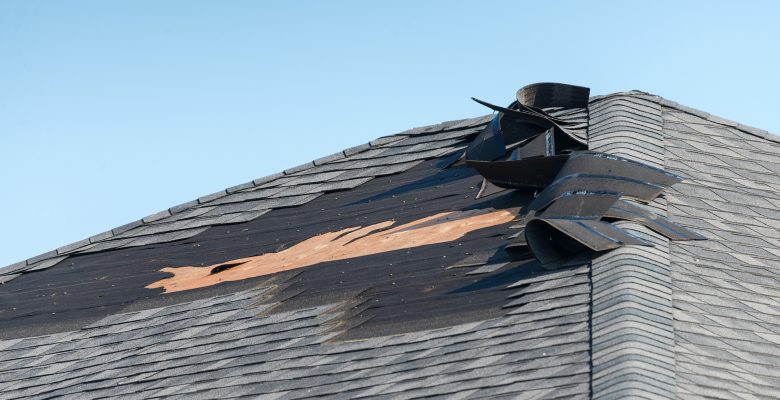
Wind Damage Claims: Property losses involving wind damage to commercial buildings, roofs, and business property

Hail Damage Claims: Damage to roofs, exterior structures, equipment, and other commercial property caused by hail

Tornado Damage Claims: Significant structural and property damage resulting from tornadoes and severe storms
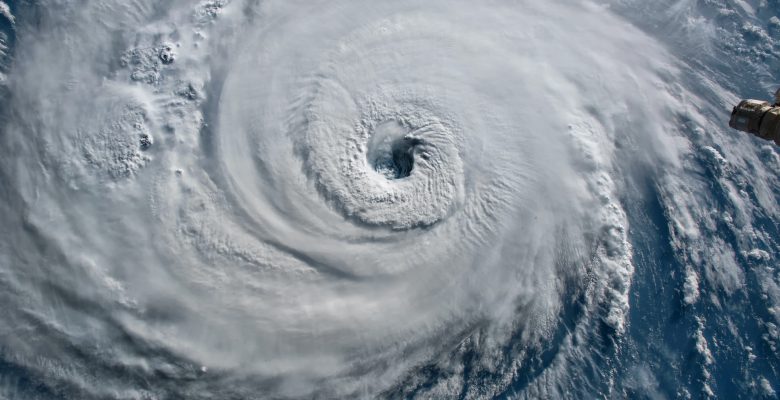
Hurricane Damage Claims: Commercial property losses resulting from hurricane-related wind and other covered damage
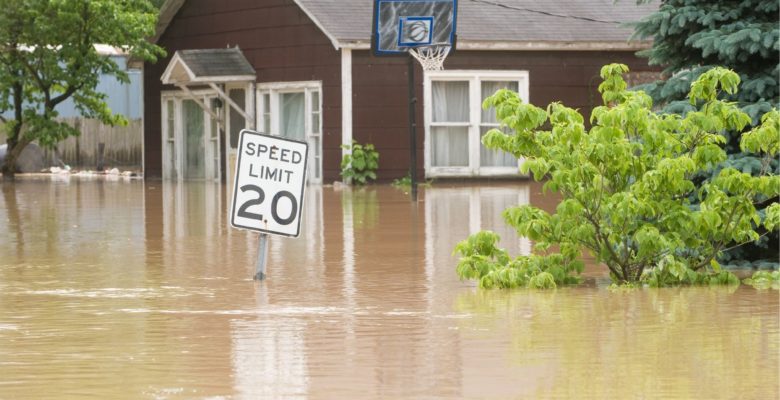
Water Damage Claims: Damage from covered plumbing failures, leaks, or other sources of water affecting business property

Flood Damage Claims: Disputes involving flood-related losses and whether applicable coverage exists under the relevant policy
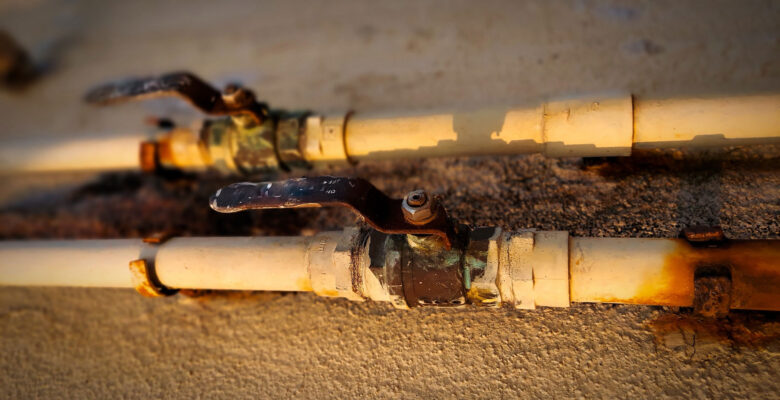
Cast Iron Pipe Damage Claims: Property damage associated with failed or deteriorated cast iron piping

Roof Damage Claims: Disputes over covered roof damage, repair needs, and the scope of the loss


Equipment and Machinery Damage Claims: Losses involving machinery, equipment, and other essential business assets

Inventory and Stock Loss Claims: Damage to or loss of merchandise, materials, products, and other business inventory

Business Interruption: Claims involving denied coverage for income losses following covered property damage.

Bad Faith Claims: Disputes involving potentially improper claim handling, including unreasonable denials or delays.
Every day your business waits on an insurer is a day of lost revenue. Get a free review of your Texas commercial claim before you accept their number.
Awards and Recognitions






Google Reviews
What to Do After Your Business Suffers Property Damage
After commercial property damage, taking the right steps can help protect your business, preserve important evidence, and support your insurance claim.
- Review Your Commercial Insurance Policy: Identify the property and business-related coverage that may apply to the loss.
- Report the Loss Promptly: Notify your insurer according to the notice requirements in your commercial policy.
- Document the Property Damage: Take photographs and videos, arrange inspections, and create a detailed inventory of damaged property.
- Protect the Property From Further Damage: Take reasonable steps to prevent additional damage while preserving evidence of the original loss.
- Document Business Losses: Keep records of lost revenue, additional expenses, payroll, inventory, and other relevant financial information.
- Keep Insurance Communications: Maintain records of insurer communications, inspections, estimates, and claim correspondence.
- Review the Insurer’s Estimate or Decision: Compare the insurer’s assessment with the documented scope and cost of the business property damage.
- Consider Legal Review: A Texas commercial insurance claim lawyer can review the policy, damage documentation, and insurer’s position when coverage or valuation is disputed.
What Losses Can a Texas Business Include in a Commercial Insurance Claim?
A commercial property loss can affect more than the physical building. Depending on the policy, a Texas business may have coverage for:
- Property Damage: Coverage may apply to buildings, roofs, equipment, furniture, fixtures, inventory, and other business property, depending on the policy terms.
- Additional Expenses: A policy may cover certain costs for debris removal, temporary relocation, and other expenses resulting from a covered loss.
- Financial Losses: Property damage that interrupts normal operations may also result in covered financial losses, subject to the policy’s terms and conditions.
- Policy-Specific Coverage: Available coverage depends on the commercial policy, including its limits, exclusions, endorsements, and other provisions.

Business Interruption and Loss of Income Coverage
Business interruption coverage may address certain financial losses when covered property damage disrupts normal operations. Relevant losses may include:
- Lost Income: A covered interruption may provide benefits for qualifying income lost because of the property damage.
- Continuing Expenses: Certain ongoing business expenses may remain payable while operations are interrupted.
- Extra Expenses: Additional costs incurred to reduce the interruption or resume operations may be covered under applicable provisions.
Revenue, payroll, tax, and expense records can help document the financial impact of an interruption. A business interruption insurance claim lawyer in Texas can review the supporting financial records to determine applicable coverage.
Not sure which of your losses your policy should cover? Our Texas commercial claim lawyers can walk through your coverage with you.
Texas Insurance Laws That May Apply to Commercial Insurance Claims
Texas laws can affect how certain commercial insurance claims are investigated, communicated, and handled, but the rules that apply depend on the policy, type of claim, and circumstances. Two key areas are Chapters 541 and 542 of the Texas Insurance Code.
Chapter 541 addresses certain unfair methods of competition and unfair or deceptive insurance practices. It includes provisions concerning unfair settlement practices, such as misrepresenting coverage, failing to reasonably investigate a claim, or failing to provide a reasonable explanation for certain claim decisions.
Chapter 542 establishes requirements for processing and paying certain first-party insurance claims, including requirements concerning claim communications, investigation, and prompt payment when applicable.
Commercial policyholders should also review their policy’s notice requirements, contractual conditions, and applicable deadlines. A denied, delayed, or underpaid claim does not automatically establish a statutory violation. A Texas commercial insurance claim lawyer can evaluate the specific policy, claim history, and insurer conduct to determine which legal provisions may apply.
Navigating Delayed, Denied, and Underpaid Commercial Insurance Claims
A commercial claim can become difficult when the insurer questions the cause of damage, coverage, or the value of the loss. Texas businesses may need legal guidance when the insurer’s position does not match the policy or documented damage.
Delayed Insurance Claims
After major hailstorms, winter freezes, flash floods, or widespread weather events, insurers may face a high volume of commercial property claims.
A lawyer for delayed commercial insurance claims in Texas can review the policy, claim communications, and available documentation to determine whether the delay raises a coverage or claim-handling issue.
Denied Insurance Claims
A commercial claim may be denied because of disputes over flood exclusions, hail or freeze damage, foundation cracking, wear and tear, or the cause of the loss.
A denied commercial insurance claim lawyer in Texas can examine the denial, policy language, and damage evidence to assess the coverage dispute and available options.
Underpaid Insurance Claims
An insurer’s valuation may not account for the full scope of covered roof, siding, foundation, water, freeze, or storm-related damage.
A lawyer for an underpaid commercial insurance claim can review the policy, supporting damage evidence, estimates, and the insurer’s valuation to help pursue benefits available under the policy.
If your commercial claim has stalled, been denied, or come back underpaid, find out where you stand. The evaluation is free and there is no obligation.
How a Texas Commercial Insurance Claim Lawyer Can Help With Your Claim
A commercial insurance dispute can involve policy language, damage assessments, business losses, and the insurer’s position. Legal review can help clarify the issues and available options.
An experienced lawyer can help you:
- Review the Commercial Policy: Examine coverage, exclusions, endorsements, limits, conditions, and other provisions that may affect the claim.
- Investigate the Property Damage: Assess the cause and full extent of the damage using available inspections, documentation, and other evidence.
- Identify Available Coverage: Determine how different policy provisions may apply to the same commercial loss.
- Assess Business Interruption Losses: Review qualifying lost income and additional operating expenses resulting from a covered interruption.
- Review Equipment and Inventory Losses: Evaluate damaged or destroyed equipment, machinery, inventory, and other business property.
- Evaluate Repair and Replacement Costs: Review estimates, invoices, contractor assessments, and other evidence used to value the loss.
- Communicate With the Insurance Company: Handle communications and address issues that arise with the insurer or its representatives.
- Challenge Disputed Claims: Evaluate options when coverage, valuation, causation, or other aspects of the claim are disputed.
- Pursue Legal Remedies: Where appropriate, pursue litigation or other legal options available under the policy and applicable Texas law.
A commercial insurance claim attorney can review your policy, damage evidence, and insurer’s position to help identify available coverage and legal options.
Why Choose Pandit Law for Your Commercial Insurance Claim?
For Texas businesses dealing with property damage and insurance disputes, the right legal review can help clarify coverage and available options. Texas business owners trust Pandit Law for their commercial insurance claims because of the firm’s:
- Commercial Insurance Claim Experience: Pandit Law handles property insurance claims involving Texas businesses and understands the challenges commercial policyholders may face.
- Residential and Commercial Property Knowledge: The firm’s broader property damage experience supports a practical understanding of complex losses while keeping the focus on commercial needs.
- Thorough Policy Review: Commercial policies, exclusions, endorsements, limits, conditions, and claim documentation are carefully reviewed to identify relevant coverage provisions.
- Business Loss Evaluation: The review can account for property damage, applicable business interruption losses, and other covered financial impacts.
- Policyholder Advocacy: Pandit Law helps businesses understand their coverage and pursue available options when an insurer disputes the claim.
Ready to put an experienced Texas commercial claim lawyer between your business and the insurance company? Speak with our team today.
FAQs About Commercial Insurance Claims in Texas
What does commercial property insurance cover in Texas?
Commercial property insurance may cover damage to a business building and other property from covered events such as fire, wind, or hail. Some policies also include business interruption or extra expense coverage. Coverage varies by policy, so exclusions, limits, endorsements, and conditions should be reviewed carefully.
What should I do if my commercial insurance claim is denied?
Review the denial letter and the policy provisions cited by the insurer. Gather your damage documentation, estimates, inspections, and claim correspondence. If you disagree with the decision, a Texas commercial insurance claim attorney can review the policy, evidence, and insurer’s reasoning to help determine what options may be available.
Can a commercial insurance claim include lost business income?
It can, if the commercial policy includes applicable business interruption or loss of income coverage. This coverage may address qualifying income losses resulting from covered physical damage that disrupts normal operations. Extra expense coverage may also apply to certain costs incurred to continue or resume business operations.
How long does a commercial insurance claim take in Texas?
The time required can vary based on the claim, policy, investigation, and information involved. Texas law establishes certain deadlines for qualifying claims, including deadlines for acknowledgment, decisions, and payment. Additional time may apply in some circumstances, including certain extensions permitted by law.
What evidence do I need for a commercial insurance claim?
Useful evidence may include photographs and videos of the damage, inspection reports, repair estimates, invoices, inventories, receipts, and records showing business losses. Keep copies of your policy, claim correspondence, and other communications with the insurer. The specific documentation needed depends on the type of loss and policy requirements.
Can a business sue an insurance company for denying a commercial claim?
A business may have legal options to challenge a denied commercial insurance claim, depending on the policy, facts, and applicable Texas law. A denial alone does not establish a statutory violation. An attorney can review the denial, policy language, claim documentation, and insurer’s conduct to assess potential remedies.
Can I challenge a commercial insurance company’s estimate?
Yes. Start by reviewing the insurer’s estimate against the actual damage and supporting documentation. Contractor estimates, invoices, inspection findings, photographs, and other evidence may help identify disputed items. An attorney can review the policy and valuation evidence when the insurer’s assessment does not appear to reflect the covered loss.
What does a commercial insurance lawyer do?
A commercial insurance lawyer reviews the policy, investigates coverage and damage issues, evaluates claim documentation, and addresses disputes with the insurer. Depending on the circumstances, the lawyer may also assess business interruption losses, valuation issues, and available legal remedies under the policy and Texas law.
Get Legal Help With Your Texas Commercial Insurance Claim
Commercial insurance disputes can make it harder for a business to repair property and resume operations. Pandit Law can review your policy, property damage, financial losses, and the insurer’s position.
If your claim is denied, delayed, or underpaid, a Texas commercial insurance claim lawyer can evaluate your options.
Pandit Law
25722 Kingsland Blvd Suite 103-A,
Katy, TX 77494
(By Appointment Only)
Call at: (504) 323-3045